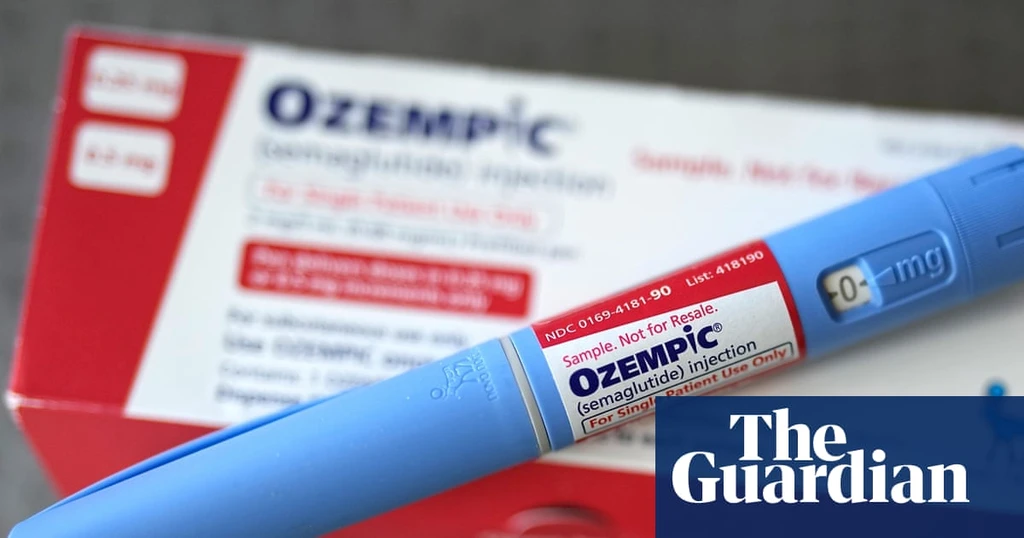
Semaglutide and liraglutide-GLP-1 receptor agonists used for diabetes and obesity-may reduce the risk of worsening anxiety, depression, and substance use disorders, according to new research.
Scientists analyzed Swedish health records from nearly 95,000 patients diagnosed with anxiety or depression between 2009 and 2022. They tracked psychiatric hospitalizations, sick leave for mental health, self-harm admissions, and suicide deaths during periods on and off GLP-1 medications.
Semaglutide was associated with a 42% lower risk of worsening mental health overall-44% for depression, 38% for anxiety, and 47% for substance use disorders. Liraglutide showed an 18% reduction. Other GLP-1 drugs like exenatide and dulaglutide showed no such benefit.
Researchers suggest potential neurobiological mechanisms, beyond weight loss or improved diabetes control, may be at play-possibly involving the brain’s reward system.
Experts caution the findings do not prove GLP-1 drugs treat mental illness directly but affirm their psychiatric safety and hint at dual therapeutic potential in patients with comorbid diabetes or obesity.
In related news, a separate Danish study flagged higher preterm birth risks with semaglutide (11% absolute increase) and liraglutide (9%) when used for diabetes during early pregnancy-but not for weight loss indications.