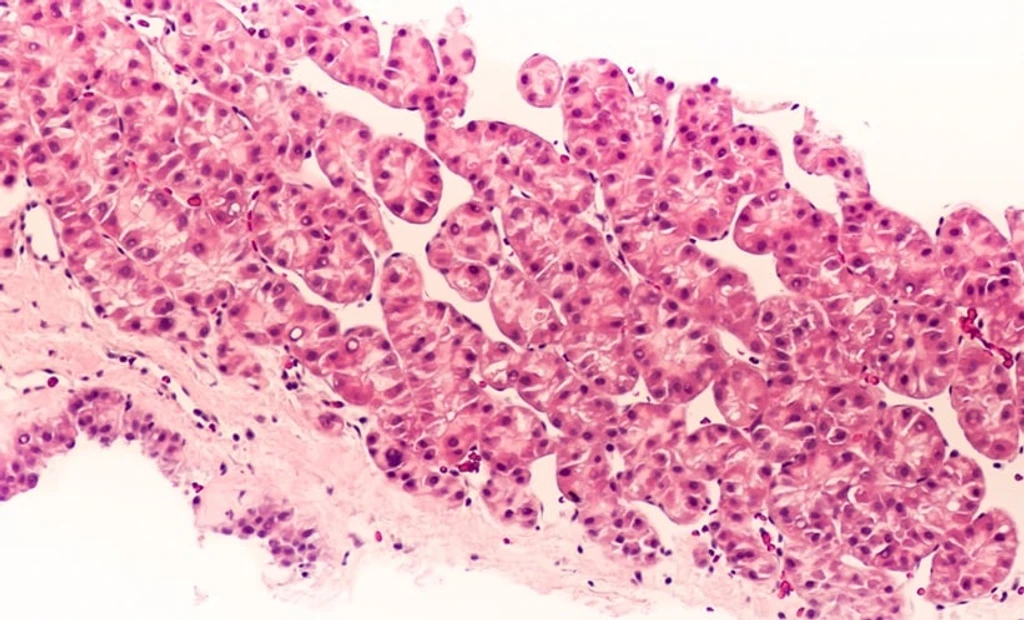
A study identifies AKAP1, a mitochondrial protein, as a key player in liver cancer growth through glycogen metabolism. Disruptions in this metabolic pathway actively promote disease progression in hepatocellular carcinoma (HCC). Targeting AKAP1 may offer a novel therapeutic strategy, especially given the scarcity of effective options.
Research by Yang et al. indicates that AKAP1 deficiency lowers glycogen levels, suppressing liver cancer, while overexpression leads to increased glycogen and higher tumor growth. AKAP1 modulates RNA pathways affecting mRNA decay, intensifying HCC progression.
A competitive peptide inhibitor reducing AKAP1's mitochondrial function showed promise in preclinical models, decreasing glycogen levels and halting tumor development without toxicity.
This positions AKAP1 as a pivotal factor in liver cancer metabolism and opens potential therapy avenues aimed at curtailing the energy supply for tumors.