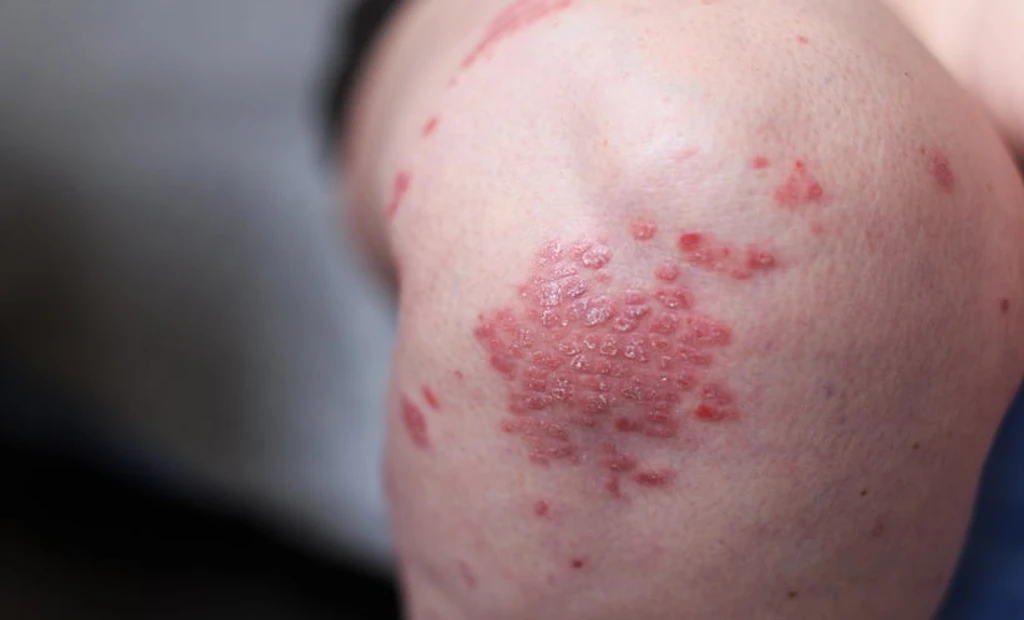
Scientists have identified Proliferation-Associated protein 2G4 (PA2G4) as a critical factor in the overgrowth and survival of skin cells in psoriasis. This discovery highlights a new, promising target for treating the chronic inflammatory skin condition.
Psoriasis affects millions globally, characterized by excessive skin cell growth. While current treatments exist, many patients see reduced effectiveness over time, creating a need for new therapeutic strategies.
A study found PA2G4 expression significantly higher in psoriatic skin. Its levels correlated with disease severity and inflammation markers. Functional experiments demonstrated that reducing PA2G4 in lab models suppressed cell growth, limited skin thickening, and increased cell death.
These findings position PA2G4 as a key regulator in psoriasis. Targeting this protein could restore the balance of skin cell growth and differentiation, offering a novel therapeutic approach.