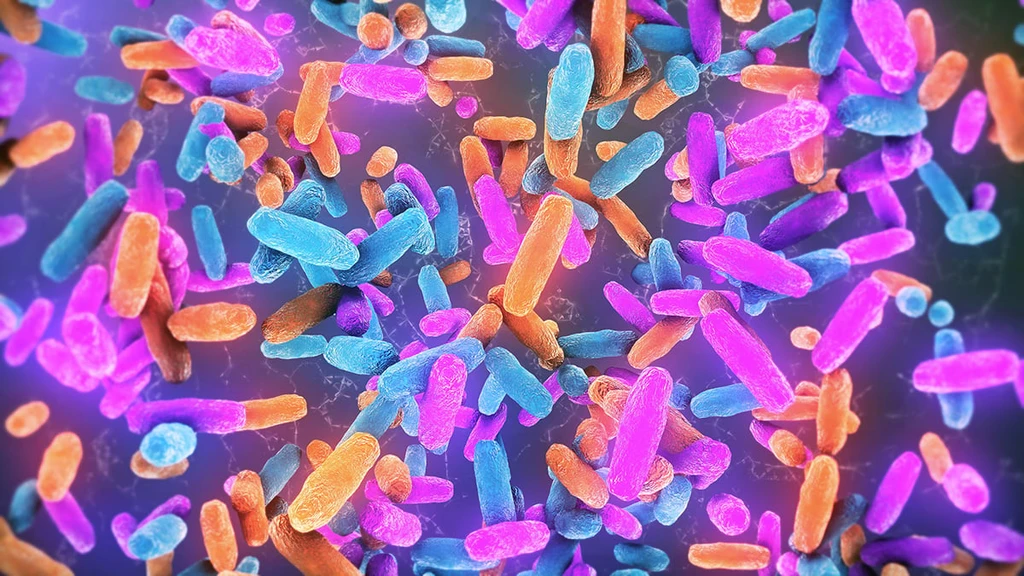
New research indicates that sugars produced by gut bacteria could be a significant contributor to Amyotrophic Lateral Sclerosis (ALS) and Frontotemporal Dementia (FTD), two severe neurodegenerative brain diseases.
Scientists utilized a mouse model to investigate the role of gut bacteria in these conditions. Their findings pinpoint a specific type of glycogen, a sugar produced by certain gut bacteria, as a trigger for brain inflammation and neuron death. Aaron Burberry, assistant professor of pathology at Case Western Reserve University, stated, "We found that harmful gut bacteria produce inflammatory forms of glycogen - a type of sugar - and that these bacterial sugars trigger immune responses that damage the brain."
The research focused on the C9ORF72 gene, a variation known to be associated with ALS and FTD, though not everyone with the variant develops these diseases. The study aimed to identify other contributing factors.
Researchers engineered mice lacking the C9ORF72 gene and introduced various gut bacteria mixes. This process led them to identify Parabacteroides merdae bacteria as a producer of inflammatory glycogen. Introducing this bacteria to germ-free mice induced significant inflammation and a breakdown of the blood-brain barrier.
Analysis of human stool samples revealed higher levels of inflammatory glycogen in ALS and FTD patients compared to healthy individuals. The hypothesis is that the body's detection of this bacterial sugar prompts an overactive immune response, leading to brain damage.
A promising outcome of the study involved administering alpha-amylase, an enzyme that breaks down glycogen, to affected mice. This treatment reduced inflammation and extended lifespan, though it did not improve motor function. This suggests potential therapeutic avenues targeting gut inflammation to combat these diseases.
Future research will expand to larger human studies and explore different types of glycogen-producing bacteria. Clinical trials investigating glycogen degradation as a treatment for ALS and FTD are anticipated to begin within a year.