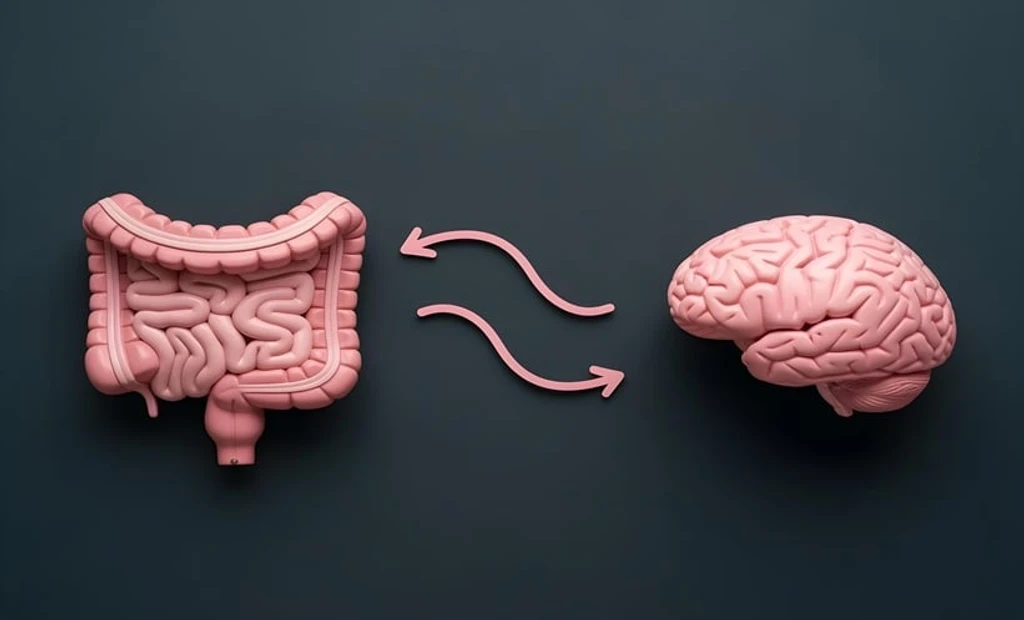
Traumatic brain injury (TBI) can lead to persistent neuroinflammation and long-term neurological impairment. New preclinical research in mice indicates that a short course of antibiotics, which modifies the gut microbiome, can reduce neuroinflammation and decrease brain lesion size following TBI.
In the study, mice treated with antibiotics after controlled brain injuries showed reduced bacterial abundance and altered microbial diversity. Critically, these mice exhibited significantly smaller lesion volumes and less cell death compared to control groups after repeated injury. Antibiotic exposure also lowered inflammatory markers, including microglial and macrophage activation and pro-inflammatory cytokine levels, suggesting that gut microbiome modification directly impacts neuroinflammatory pathways.
While antibiotic treatment altered gut structure and reduced short-chain fatty acids (SCFAs), the neuroprotective effects were not attributed to SCFA levels alone, pointing to other mechanisms within the gut-brain axis. Interestingly, germ-free mice, lacking any gut microbiota, showed worse outcomes, highlighting the importance of a gut microbiome, even if its composition is altered.
The findings suggest that transient, antibiotic-induced gut microbiome remodeling may offer a novel approach to reducing neuroinflammation after TBI, though further research is needed to clarify the precise pathways and potential for human application.