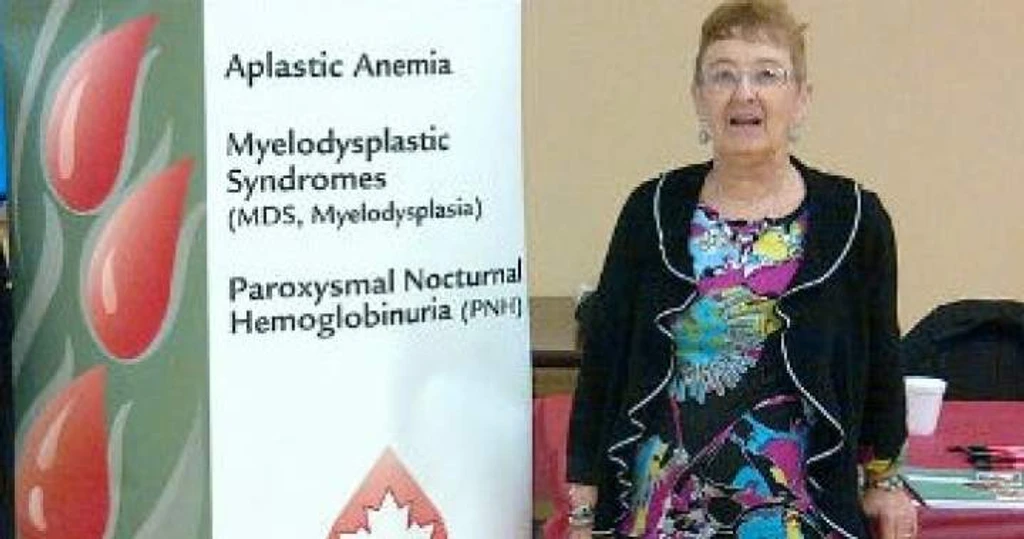
A life-altering drug for myelodysplastic syndrome (MDS) is available to patients across Canada, except in British Columbia. Gwen Barry, an 84-year-old Halifax resident, credits Luspatercept with giving her "life back," allowing her to avoid debilitating blood transfusions and maintain an active lifestyle. MDS is a rare blood disorder where bone marrow fails to produce healthy blood cells, typically shortening life expectancy.
In contrast, 80-year-old B.C. resident Joey Kerr faces denial for the same treatment, costing approximately $200,000 annually per patient. Despite her family's appeals, the province's Fair Pharmacare program has not approved coverage. Kerr currently requires monthly blood transfusions, a process complicated by bruising and vein issues.
Cindy Anthony, executive director for the Aplastic Anemia & Myelodysplasia Association of Canada (AAMAC), highlighted the drug's potential to reduce reliance on transfusions and improve patients' quality of life. While B.C. Health Minister Josie Osborne stated the province offers broader pharmaceutical coverage, decisions are based on clinical evidence and cost-effectiveness by an independent advisory council. She advised patients to consult their care providers.

AAMAC argues that the cost of Luspatercept should be weighed against the ongoing expenses and health risks associated with frequent blood transfusions and iron overload management. "Everywhere else in Canada, it is covered," Anthony stated, questioning B.C.'s outlier decision.
Local MLA Ian Paton expressed concern for Kerr's well-being, calling the denial a "terrible shame" given the drug's availability and the government's spending elsewhere. AAMAC emphasizes the frustration of seeing a medication approved and covered nationally, yet inaccessible to MDS patients in British Columbia.