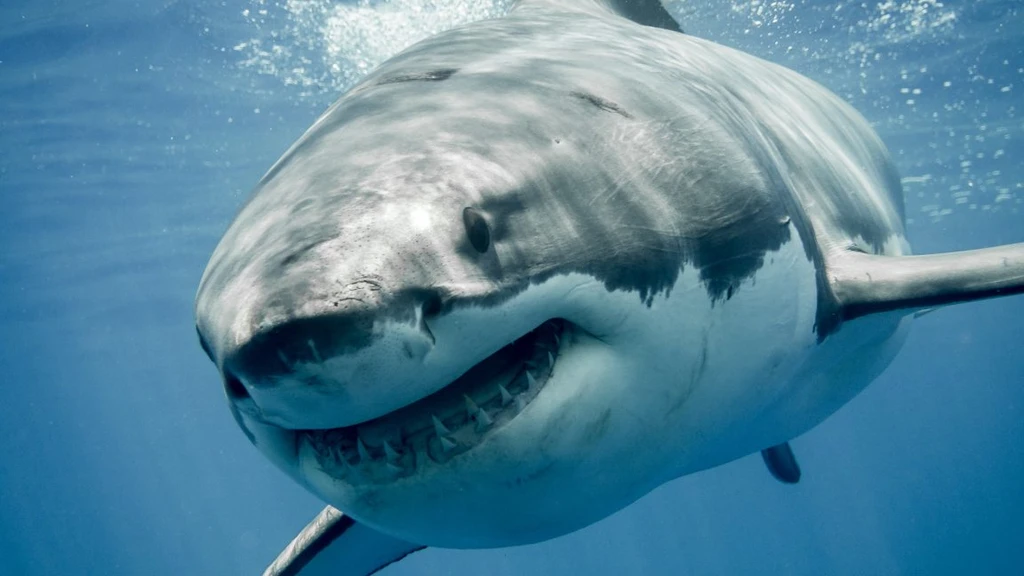
Great white sharks are facing a critical challenge as ocean temperatures rise, pushing them closer to their physiological limits. Edward Snelling, a physiologist at the University of Pretoria, noted that these apex predators, vital for maintaining ecosystem balance, are operating on a tight energy budget. Climate change further narrows their survival options. Researchers used tiny sensors on large fish, including basking sharks, to calculate heat production and loss. Their findings indicate that a one-ton shark may need to take countermeasures to stay in waters above 62.6°F (17°C). This "hidden heat budget" is crucial for conservation and mapping protection areas.
In South Africa, great whites are a "sentinel species," signaling deeper shifts in the marine ecosystem. Once feared, they are now icons of marine conservation and eco-tourism. Stephanie Nicolaides, a marine conservation researcher, stated that great whites are increasingly viewed as keystone species essential for ocean health.
However, declining great white sightings in areas like False Bay are multifaceted. While thermal relocation may contribute, population decline is also linked to overfishing, shark netting, and habitat destruction. "The most acute, urgent crisis these animals face is from overfishing, and particularly now from bycatch," said researcher John Payne.
Past ocean temperature increases have historically harmed warm-bodied species. Fossils of creatures like the Megalodon suggest they suffered disproportionately during such periods, struggling to find food for their large bodies. Today's rapidly changing oceans present a similar, urgent threat.