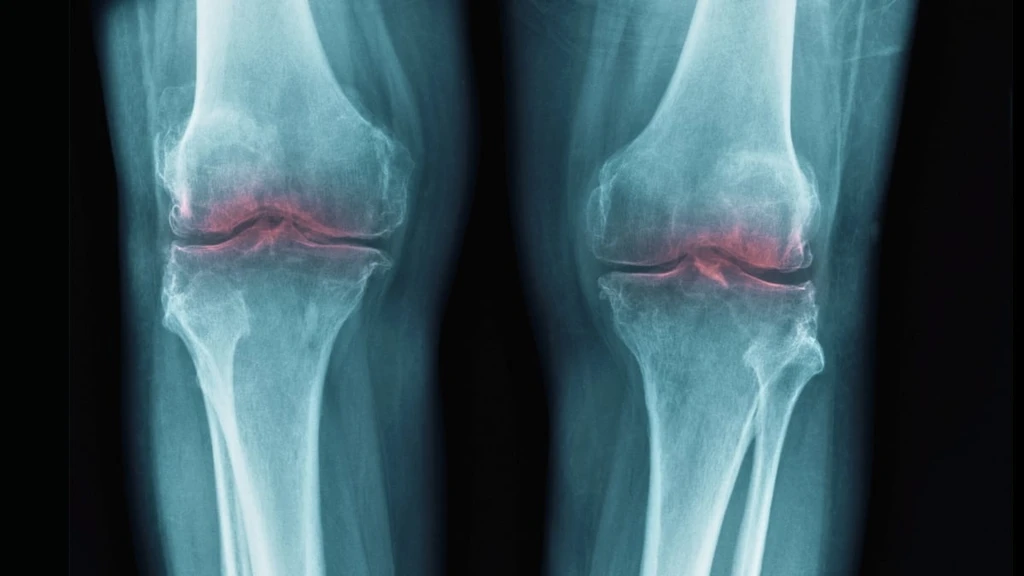
Scientists have identified a protein, 15-PGDH, that becomes more abundant with age and interferes with tissue repair and inflammation reduction. Research at Stanford University suggests this protein plays a role in osteoarthritis, a condition causing cartilage breakdown and pain.
In studies with mice, inhibiting 15-PGDH led to thickened knee cartilage in aged mice and protected younger mice from injury-induced osteoarthritis. This approach regenerated adult tissue, transforming existing cartilage cells into a healthier state, eliminating the need for stem cells.
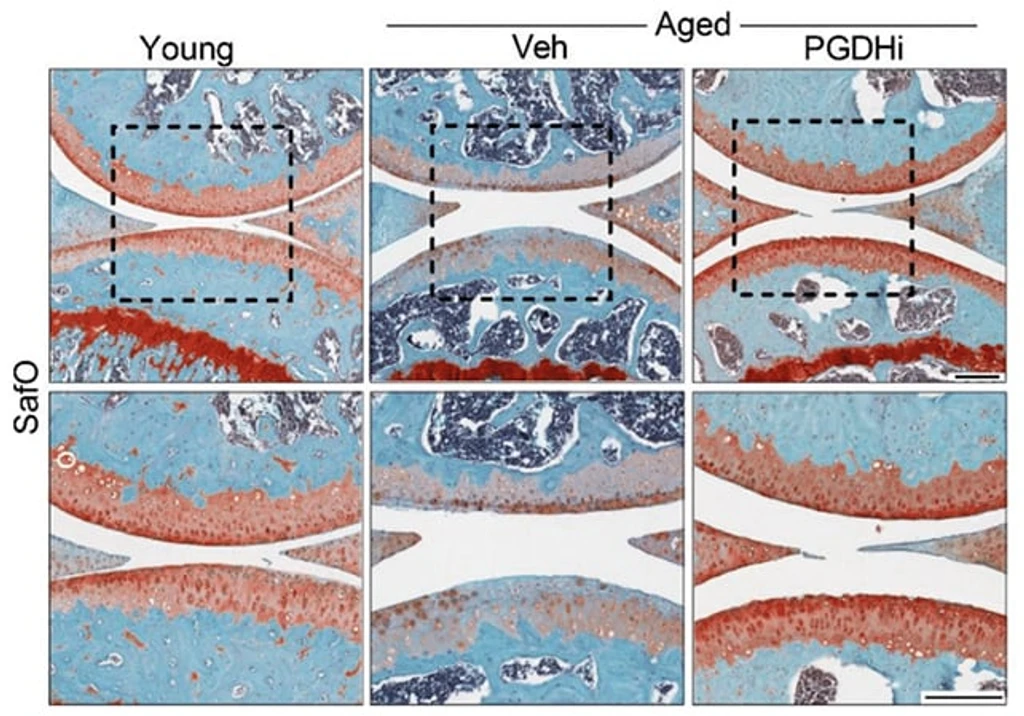
Researchers observed improved physical health in treated mice, indicated by steadier gaits and increased weight on injured legs. Similar regeneration signs were noted in human tissue samples, with cartilage becoming stiffer and less inflamed.
An additional study explored the drug semaglutide, known for weight loss, which also showed promise in protecting joints. It appears to reprogram cartilage cell metabolism, generating more energy and reducing cartilage degeneration, independent of weight loss. Further research is exploring experimental drugs that could reverse osteoarthritis within weeks by targeting existing cells for repair.
These breakthroughs hold significant clinical promise for treating arthritis caused by aging or injury, potentially leading to therapies that regenerate cartilage and avoid joint replacements.