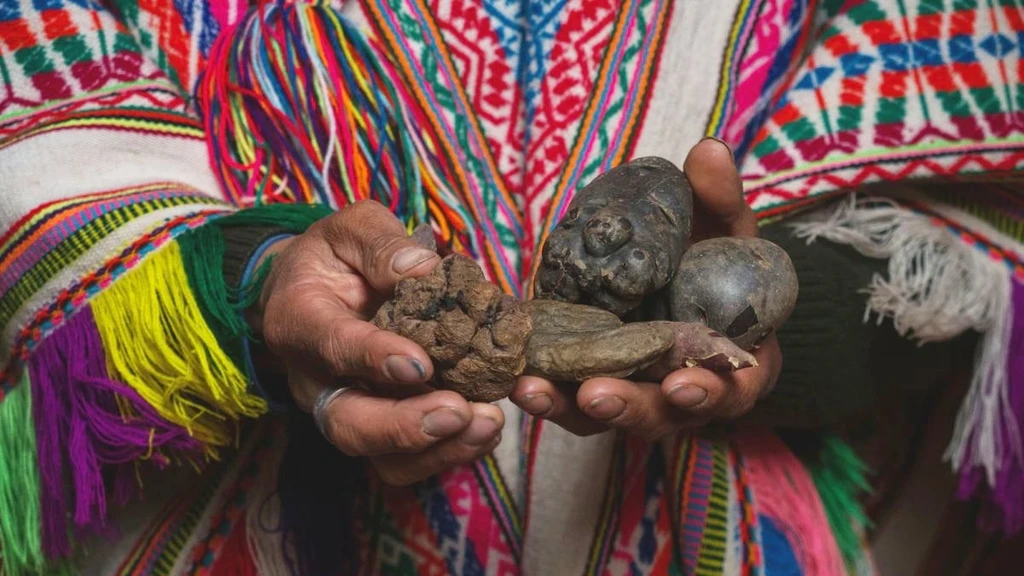
New research reveals a remarkable evolutionary adaptation among Indigenous people living high in the Peruvian Andes: an enhanced ability to digest starch, driven by thousands of years of potato consumption.
Anthropologists from UCLA and the University at Buffalo studied the genomes of 3,723 individuals across 85 global populations. They found that the Quechua people carry a median of 10 copies of the AMY1 gene, which produces salivary amylase-an enzyme that breaks down starch in the mouth. The global median is just 7 copies.
Using genetic dating, the team traced the rise of this trait to roughly 10,000 years ago, aligning precisely with the domestication of the potato in the Andean region. This adaptation likely conferred a 1.24% survival or reproductive advantage per generation.
Evolutionary geneticist Luane Landau explains that the absence of this adaptation in other populations, such as the Maya who lack a long history of potato farming, underscores the link between diet and genetic change.
The findings, published in Nature Communications, highlight how diet can drive rapid human evolution. Researchers note that this challenges modern assumptions about diet, as humans now eat globally sourced foods rather than the same ancestral staples for millennia.