Barbara Collura’s story is a cautionary tale. After presenting with classic symptoms-breathlessness, sweating, and radiating arm pain-she was sent home from the emergency department. Her tests were normal. The next day, a cardiologist suggested anxiety. That night, she suffered a major heart attack.
Collura’s experience is not unique. In the United States, women under 55 are seven times more likely than men to be discharged from the ER without proper cardiac testing.
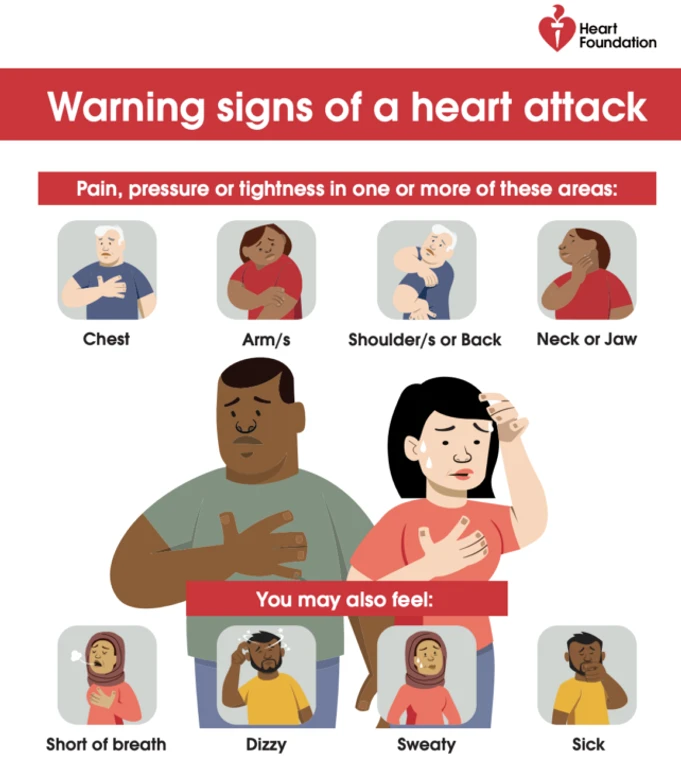
The core issue lies in a single word: ‘atypical.’ For decades, medical training has defined heart attack symptoms by male presentation. While over 90 percent of both men and women experience chest pain, women often present with nausea, breathlessness, fatigue, or jaw pain simultaneously. This combination can muddy the diagnostic picture.
Cardiologist Stephen Nicholls, head of Australia’s Victorian Heart Hospital, argues the term ‘atypical’ is outdated. “There remains a view in the community that heart disease is a problem for men alone,” he told ScienceAlert.
The disparity has a name: Yentl syndrome. Coined in 1991, it describes the need for women to present with male-pattern symptoms to receive equal care. This male-default model has proven deadly.
Cardiovascular disease is the number one killer of women in the US. Yet studies show women are less likely to receive aspirin, resuscitation, or emergency transport with lights and sirens compared to men.
Many clinical guidelines are based on historical studies that predominantly enrolled men. Risk factors specific to women-including menopause, PCOS, and pregnancy-related conditions-are often missing from standard risk assessments.
Cardiologist Michelle O’Donaghue at Brigham and Women’s Hospital notes a dangerous misconception. “We imagine all heart attacks as dramatic and crushing. In reality, they’re often quieter and more gradual, which is exactly why they’re missed.”
Women frequently describe chest pain as a dull or heavy ‘pressure’ that comes and goes. They are also more likely to suffer heart attacks during rest or sleep.
Newer guidelines are moving away from ‘atypical’ language, but progress is slow. The message must be spread: trust your instincts. If you experience new, unexplained symptoms, seek urgent care immediately. Never drive yourself to the hospital-call 911.