
A significant US study, the COSMOS trial, has provided strong evidence that a daily multivitamin may slow biological aging. Researchers at Brigham and Women's Hospital and Harvard Medical School analyzed data from nearly 1,000 participants, averaging around 70 years old.
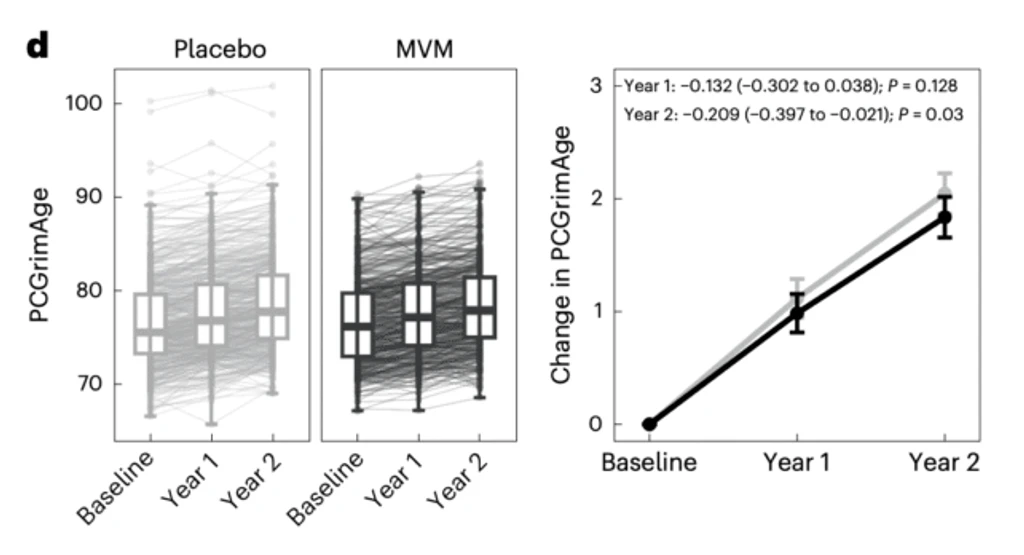
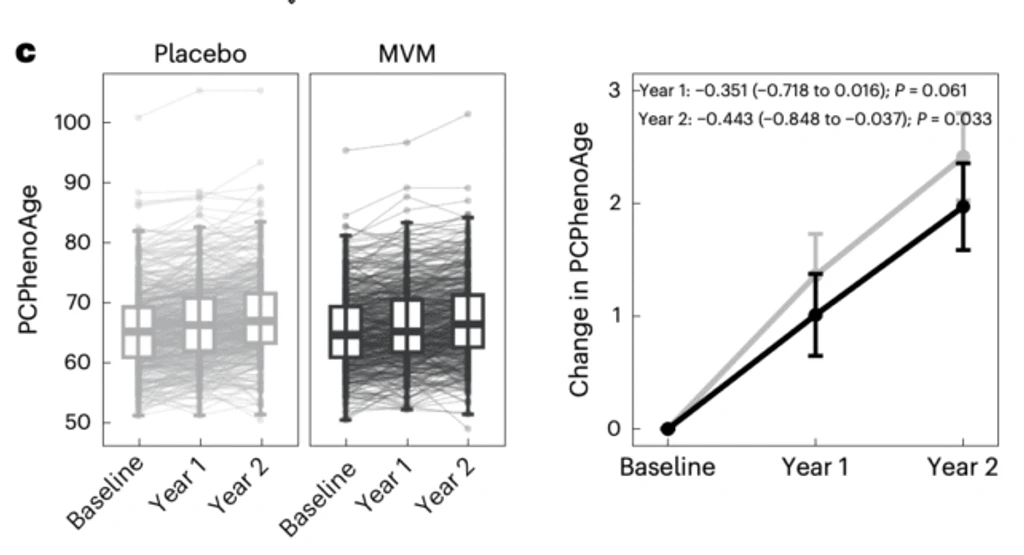
Participants taking a daily multivitamin-multimineral (MVM) for two years showed slower aging according to two key biological aging clocks, PCPhenoAge and PCGrimAge. Cocoa extract supplements, however, showed no significant impact on these aging markers.
The observed clock changes could correlate with a reduced cancer risk over a decade. The study's authors noted that individuals showing accelerated aging prior to the trial experienced nearly double the slowing effect from multivitamins, suggesting a potential benefit in addressing nutritional deficits. This research opens avenues for exploring accessible, safe interventions for healthier aging, with potential cost-efficient public health implications.
While the findings are encouraging, larger, longer-term trials are needed to confirm meaningful clinical benefits. Some study authors reported grants from companies with interests in nutritional supplements, but the research was independently conducted and peer-reviewed, with primary funding from the US National Institutes of Health.