A woman arrives at the emergency department breathless and sweaty, with back pain radiating down her arm. Tests come back normal. She is sent home. The next day, a cardiologist suggests anxiety. That night, she suffers a heart attack.
This is Barbara Collura's story, an ambassador for the Family Heart Foundation. Research indicates in nations like Australia, up to 20 percent of heart attack deaths in women could be avoided if the gender gap in care were closed. Women under 55 in the US are seven times more likely than men to be sent home from the ER without proper cardiac testing.
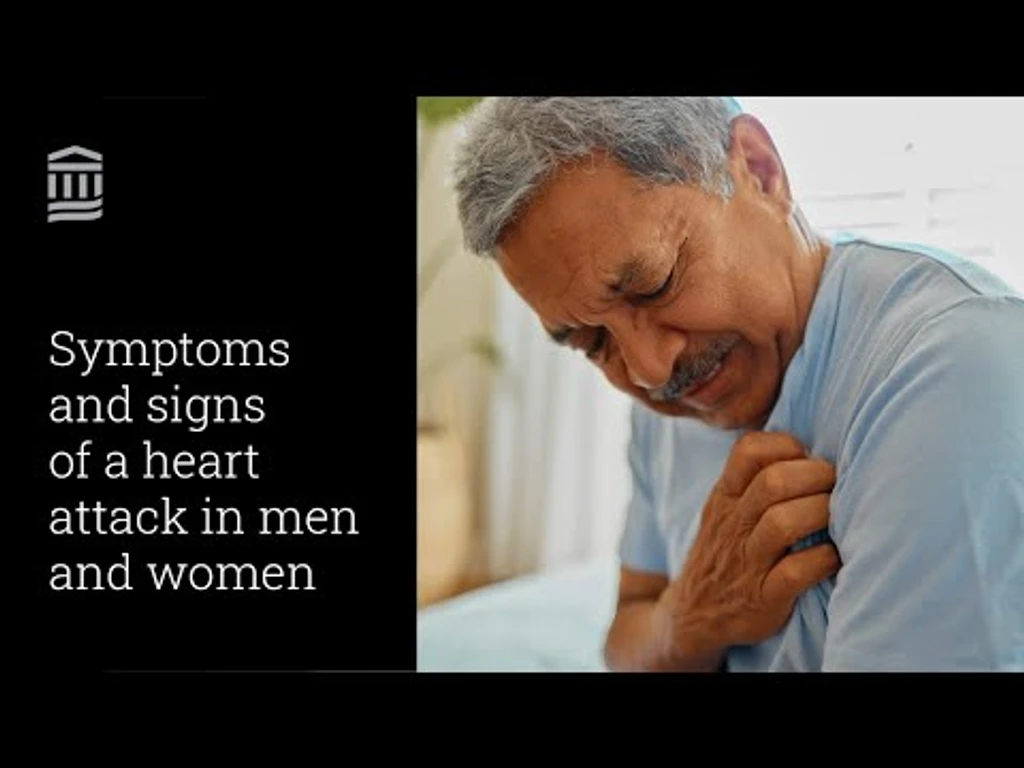
At the core of this disparity is a single dangerous word: 'atypical.' For decades, doctors have labeled women's heart attack symptoms as atypical because they differ from the male norm. But experts argue there is nothing atypical about symptoms affecting half the population.
Recent studies show more than 90 percent of both men and women report chest pain during a heart attack. The difference is women are also more likely to experience nausea, breathlessness, fatigue, or jaw pain, symptoms that can muddy the diagnosis. Using the male body as the default for care can prove deadly.
Cardiologist Stephen Nicholls of Victoria's Victorian Heart Hospital states the term 'atypical' is outdated. Cardiovascular disease remains the number one killer of women in the US. Studies show women with heart attack symptoms are less likely to receive aspirin, resuscitation, or ambulance transport with sirens.
The disparity is known as Yentl syndrome, a term coined in 1991. Cardiologist Michelle O'Donaghue from Brigham and Women's Hospital notes heart attacks are often quieter and more gradual than popular culture suggests, leading patients to dismiss their own symptoms. She urges patients to trust their instincts and seek urgent care for any new, unexplained chest discomfort or shortness of breath.
Barbara Collura only received a diagnosis after suffering a heart attack, with her artery 99 percent blocked. She now shares her story to save other women's lives.