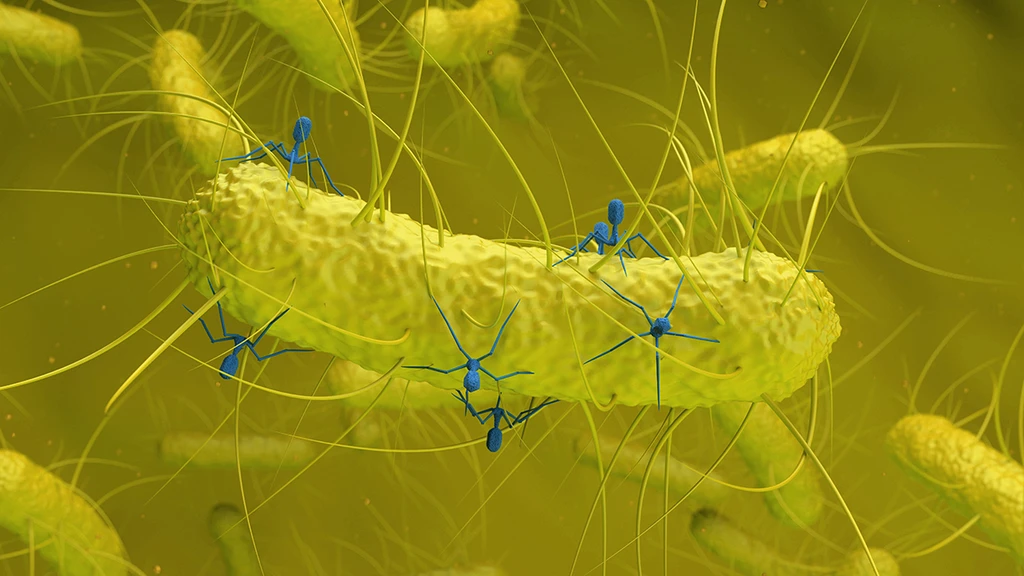
Researchers have identified a new virus lurking within a common gut bacterium, Bacteroides fragilis, that is closely associated with colorectal cancer. This discovery offers a potential new avenue for understanding and screening for the disease.
The study, involving institutions in Denmark and Australia, aimed to clarify the link between B. fragilis and colorectal cancer, a common cancer in developed nations. While the bacterium is often found in healthy individuals, researchers found that in cancer patients, B. fragilis frequently carried an uncatalogued bacteriophage - a virus that infects bacteria.
Genetic sequencing revealed that individuals with colorectal cancer were twice as likely to have detectable levels of this bacteriophage in their gut bacteria. Scientists are now investigating whether this virus is a direct cause of cancer or a marker of other changes within the gut environment.
This research highlights the complex interplay within the human microbiome and could lead to novel screening methods, potentially analyzing stool samples for the presence of this specific virus to identify individuals at increased risk of colorectal cancer. The findings were published in Communications Medicine.