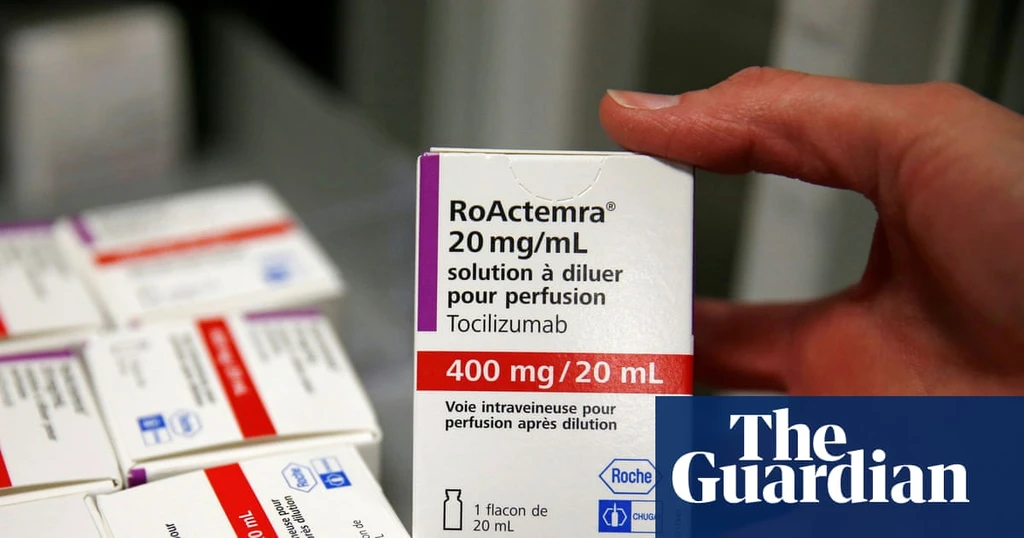
A groundbreaking early clinical trial suggests immunotherapy could offer a new path for patients with depression who do not respond to conventional antidepressants.
Researchers at the University of Bristol investigated whether tocilizumab, a drug typically used for rheumatoid arthritis, could alleviate symptoms in difficult-to-treat depression. The drug works by blocking the IL-6 receptor, preventing inflammatory signals linked to autoimmune conditions.
The study involved 30 participants with moderate to severe depression who had not responded well to standard antidepressants. Over four weeks, they were randomly assigned to receive tocilizumab or a placebo.
While the small sample size limited statistical significance, those receiving tocilizumab showed greater improvements in depression severity, fatigue, anxiety, and quality of life. Notably, 54% of the tocilizumab group achieved remission, compared to 31% in the placebo group.
Professor Golam Khandakar, senior author of the study, called the findings an “important milestone,” noting this is one of the first randomized controlled trials to test immunotherapy for depression, targeting the IL-6 receptor.
The results suggest a number needed to treat (NNT) of 5 for tocilizumab, compared to about 7 for SSRI antidepressants, indicating a potentially higher likelihood of patient improvement.
Dr. Éimear Foley, co-author, emphasized the move toward more personalized depression care, tailoring treatments to a person’s biology. Larger trials are needed to confirm these early findings.