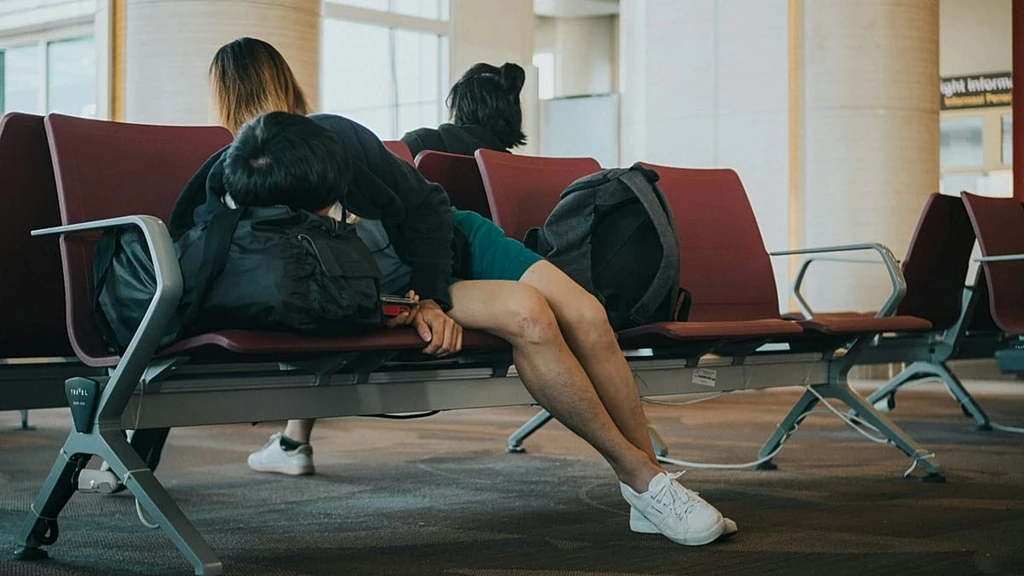
Crossing multiple time zones disrupts the body's circadian rhythm, causing fatigue and cognitive decline. Sleep scientists emphasize that while jet lag is unavoidable, evidence-based interventions can significantly reduce recovery time. Eastbound travel typically presents greater adaptation challenges than westbound flights due to the required advancement of the internal body clock.
Medical experts recommend gradual pre-travel schedule adjustments and strategic light exposure upon arrival. Dr. Megha Pancholi of Boots Online Doctor advises prioritizing hydration to counteract dry cabin air and utilizing compression socks to maintain circulation during long-haul segments. She also suggests timing in-flight sleep to match the destination's local night cycle and using chewing gum to manage pressure changes during ascent and descent.
Airlines are increasingly integrating wellness into the passenger experience. Fiji Airways recently launched FlyWell, a program combining science-backed rituals with specialized technology. On routes between Fiji and Los Angeles or San Francisco, passengers receive blue-light-filtering glasses, focus supplements, and wearable recovery devices. The airline’s Nadi lounge further supports physiological reset through red light therapy sessions and environmental calming technologies.
Digital tools also offer personalized mitigation strategies. Apps like Timeshifter and Entrain utilize mathematical models and circadian data to generate custom schedules for light exposure, caffeine intake, and melatonin use. These platforms provide actionable guidance based on individual sleep patterns and specific flight itineraries to accelerate biological adaptation.