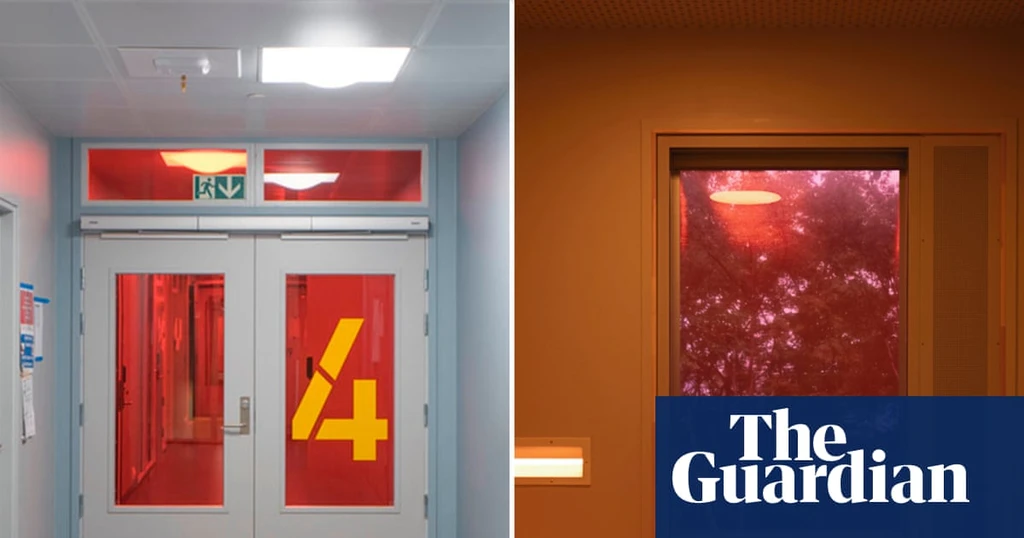
A new approach in psychiatric care is leveraging light to treat mental illness. In Trondheim, Norway, a psychiatric ward is experimenting with shifting its evening lighting to a soft amber glow, effectively removing blue wavelengths that disrupt the body's natural 24-hour clock. This intervention targets the widely observed link between circadian rhythm disruption and conditions like depression and bipolar disorder.
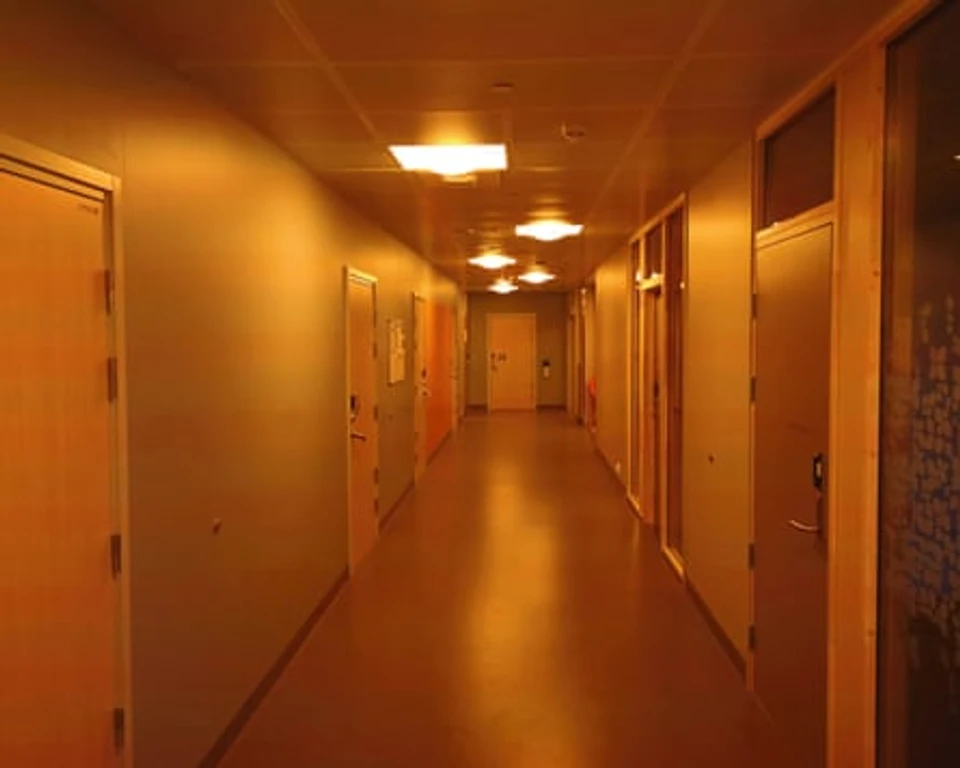
A study involving 476 patients with conditions including psychosis, mania, and severe depression found that those treated in the blue-light-depleted environment showed greater clinical improvement and notably less aggressive behavior. Researchers believe this method offers a cost-effective, drug-free way to enhance treatment quality and patient well-being. Experts suggest this dynamic lighting system could be scaled for broader applications, including care homes, to improve sleep and reduce behavioral disturbances in dementia patients.