Last year, the American Psychiatric Association officially recognized moral injury in the DSM. This condition arises when individuals are forced to act against their core beliefs or witness actions that violate them.
Former U.S. military psychologist Michael Valdovinos discusses how moral injury isn't unique to war. During the pandemic, medics felt betrayed by their oath to 'do no harm.' In Afghanistan, he witnessed the effects of harsh interrogation practices, which triggered deep personal anguish.
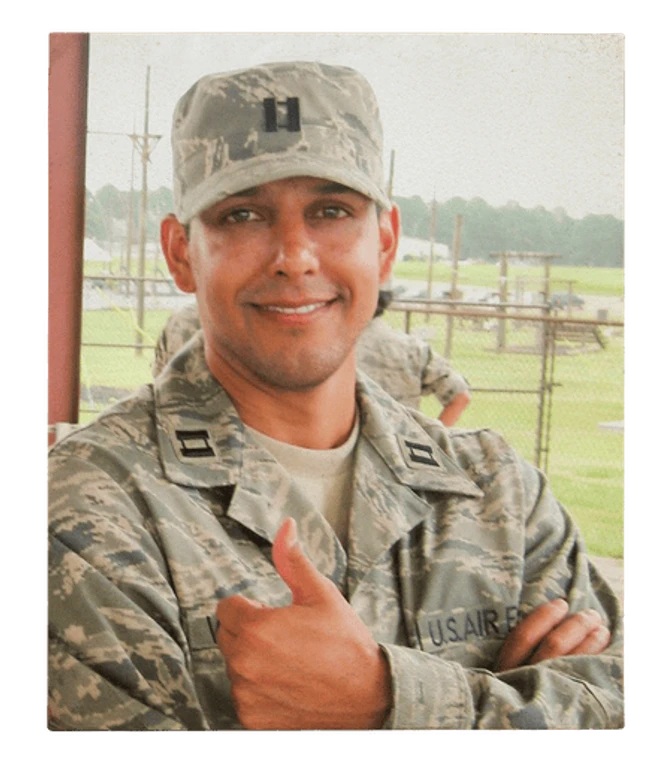
Valdovinos notes moral injury now manifests in civilian sectors like social work, farming, and politics-especially amid political polarization.
He argues that collective moral injury is rising, as people struggle with broken expectations of leadership and tradition. It often mimics depression, but carries deeper emotional roots.
"Moral injury is conscience-based," he says. "Shame and guilt are part of healing. Community support helps."
Based on current estimates, 3-7% of U.S. adults may experience clinical symptoms annually-approximately 18 million people.
Moral Injuries: When Good Conscience Suffers in a World of Hurt by Michael Valdovinos is published by HarperCollins.