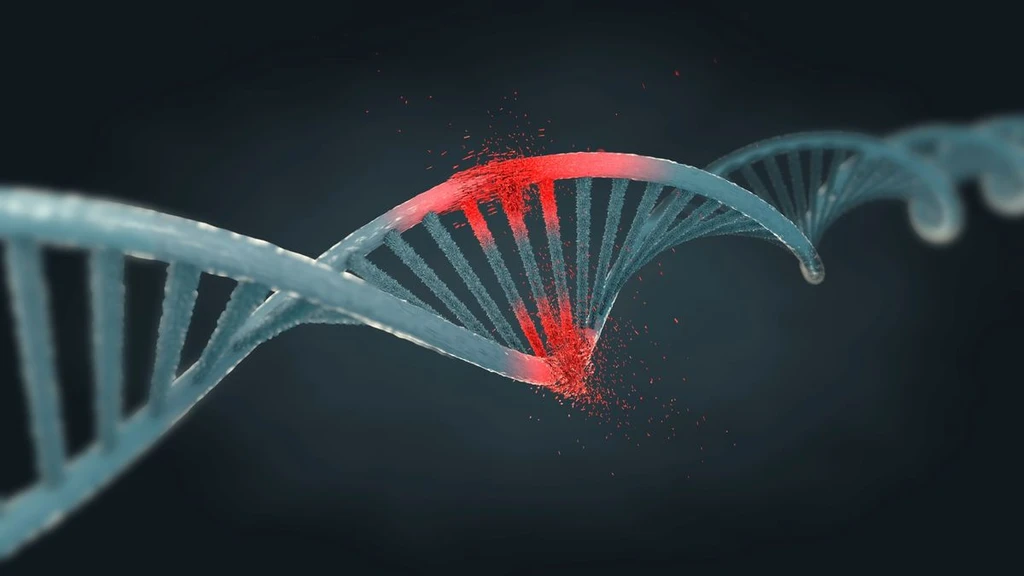
Scientists have discovered that altering just one DNA letter in female mouse embryos can lead to the development of male genitalia and testes. This significant finding, published in Nature Communications, highlights the profound impact of tiny genetic changes on embryonic development.
The research focused on a DNA segment called enhancer 13 (Enh13), which acts as an "on-off" switch for the SOX9 gene, crucial for male sex development. The SRY protein typically activates SOX9 by interacting with Enh13. In this study, researchers modified Enh13 in female mouse embryos. Even with XX chromosomes, these mice developed small testes and male external genitalia, alongside some ovarian tissue.
This discovery suggests that mutations in regulatory DNA regions, like Enh13, could play a role in differences of sexual development (DSD) in humans, where genetic makeup and physical characteristics may not align. The findings emphasize the importance of studying the non-coding genome, which controls gene activity, for understanding genetic disorders.