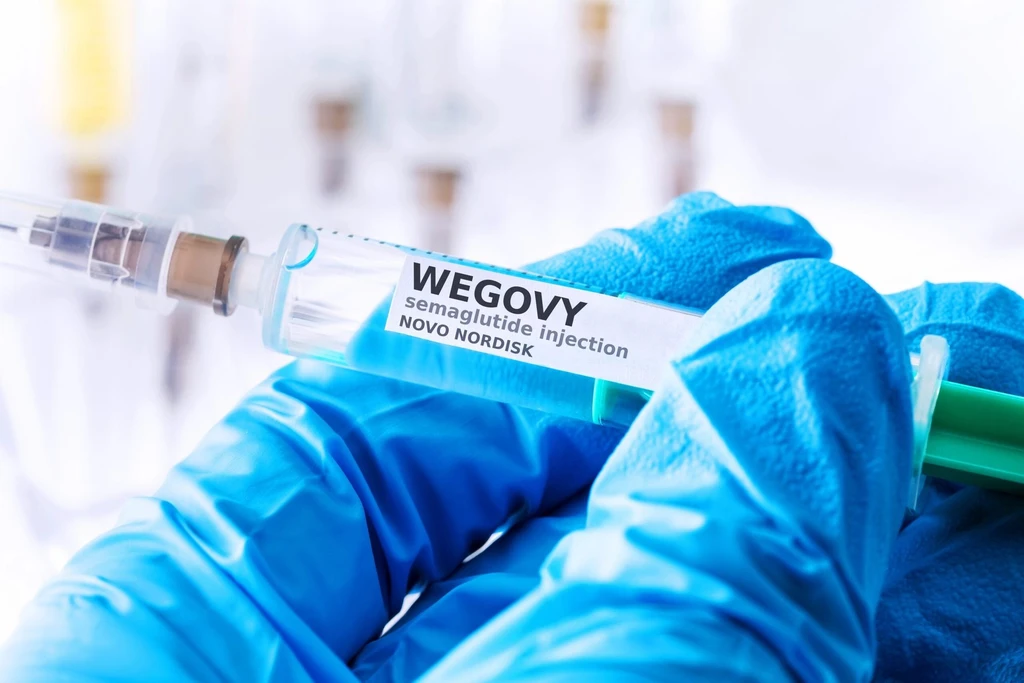
New studies indicate that GLP-1 medications, known for weight loss and diabetes management, might also be powerful tools in combating addiction. A large-scale analysis of over 600,000 veterans reveals these drugs could reduce the risk of developing new addictions to alcohol, cannabis, cocaine, nicotine, and opioids. For individuals already struggling with severe addiction, GLP-1 users saw a 50% decrease in substance-related mortality and fewer medical emergencies like overdoses and hospitalizations.
The mechanism appears to involve these drugs' effect on the brain's reward system. By mimicking a hormone that induces fullness, GLP-1 medications may dampen dopamine signaling, diminishing the rewarding sensation associated with addictive substances. This could effectively 'turn down the volume' on cravings.
While currently expensive and primarily approved for diabetes and obesity, potential future FDA approval for addiction treatment could make these interventions accessible to millions. Further clinical trials are ongoing to fully understand long-term effects and optimal usage for addiction therapy.