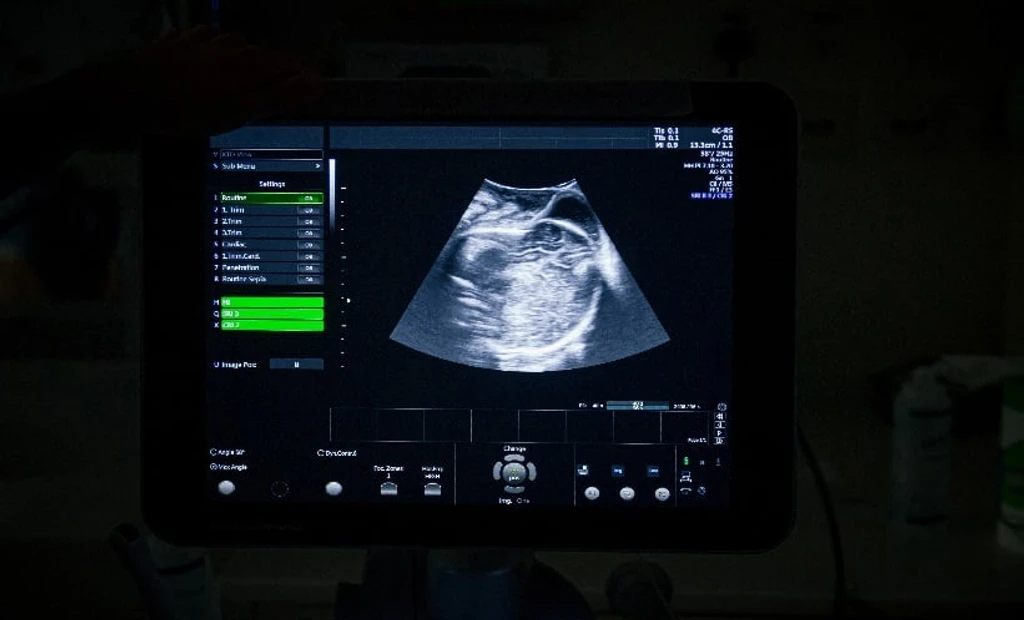
Prolonged limited light exposure in radiology reading rooms is driving burnout, sleep disruption, and workforce challenges, according to a recent review. Radiologists often work in dim environments, between 20 and 40 lux, to optimize image interpretation. While this enhances contrast, it can disrupt circadian rhythms, impair mood, and contribute to fatigue and depression.
These conditions disturb essential processes regulated by natural light, including serotonin production and sleep-wake cycles, leading to anxiety and burnout. With many radiologists working over eight to ten hours daily in near-darkness and limited daylight access, this exacerbates the perception of isolation and deters trainees, worsening existing workforce shortages as imaging demand rises.
Burnout in radiologists is characterized by emotional exhaustion, depersonalization, and reduced professional fulfillment. Chronic low-light exposure contributes to these symptoms. European studies indicate over three-quarters of radiologists experience burnout dimensions.
While European regulations mention natural light access, radiology departments are often exempt, leading to inconsistent enforcement. The review urges updated guidance to balance diagnostic accuracy with occupational health. Recommendations include adjustable lighting, daylight break zones, and zoned reading areas to improve mood, reduce burnout, support cognitive function, and maintain a sustainable radiology workforce.