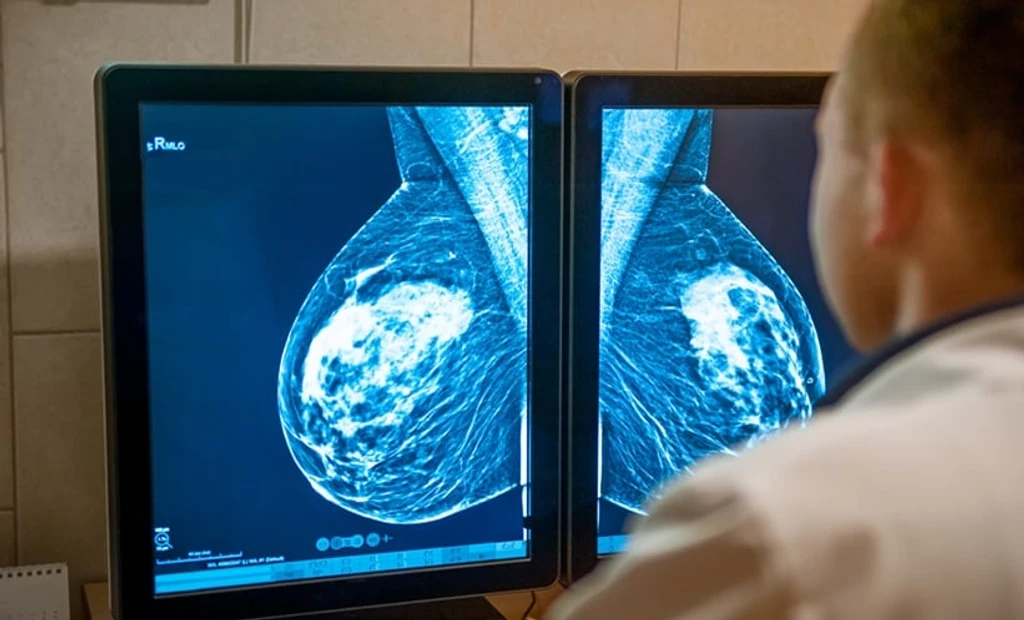
A new study finds that Real-Time Virtual Sonography (RVS) successfully localized more than 90% of breast lesions detected on MRI, without the need for additional supine imaging.
MRI is widely used to detect suspicious breast lesions not visible on conventional imaging. However, these typically require second-look ultrasound and additional supine MRI scans, increasing time, cost, and patient burden.
Researchers conducted a single-center retrospective study of 103 female patients with 125 MRI-detected breast lesions. RVS accurately localized 91.2% of lesions, including 41.6% classified as non-mass enhancements, which are historically difficult to find on ultrasound alone.
Ultrasound-guided biopsies were performed on 57.6% of lesions, with malignancy confirmed in 31.9% of those biopsied. Higher breast volume was the only factor linked to reduced localization success.
The approach fuses supine ultrasound with prone MRI data in real time, potentially streamlining diagnostic workflows and reducing costs by removing the need for additional MRI acquisitions.
The authors conclude prone MRI studies alone may be sufficient for RVS-guided localization, supporting broader adoption of the technology. Larger prospective studies are needed to validate findings across more diverse populations.