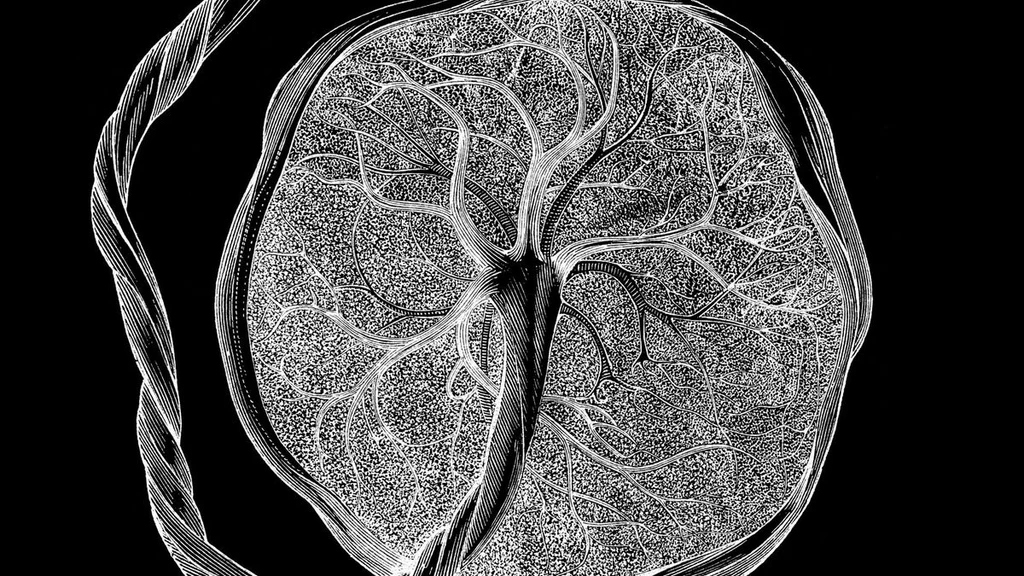
Scientists have created a detailed "atlas" of placental and uterine tissues, revealing a previously undescribed cell subtype unique to pregnancy. These new cells appear to link the placenta to the maternal blood supply and possess cannabinoid receptors.
Researchers suspect these cells may help explain health consequences linked to cannabis use during pregnancy, such as reduced blood flow, poor oxygen delivery to the fetus, and increased risk of preterm birth.
The new study, published in Nature, analyzed approximately 1.2 million placental and uterine cells from early pregnancy to full term. This comprehensive approach distinguishes it from previous studies that covered only select periods.
This newly identified cell type, decidual stromal cell 4 (DSC4), acts as a "speed bump," regulating the invasion of fetal cells into the uterus to prevent the process from occurring too rapidly. This regulation is crucial for establishing proper maternal-fetal interface.
By correlating their findings with large genetic studies on pregnancy complications like preeclampsia and preterm birth, researchers can now pinpoint specific cells within the placenta and uterus that are most vulnerable to these conditions, potentially paving the way for targeted treatments.