
A new study from Oregon Health & Science University (OHSU) suggests that getting enough sleep may be the single most important modifiable factor for a long life-even more so than diet or exercise.
Analyzing survey data from across the US spanning 2019 to 2025, researchers compared life expectancy against sleep duration. Less than seven hours per night was considered insufficient sleep. After accounting for variables like physical inactivity, employment, and education, the association held. Only smoking had a stronger link to a shorter lifespan.
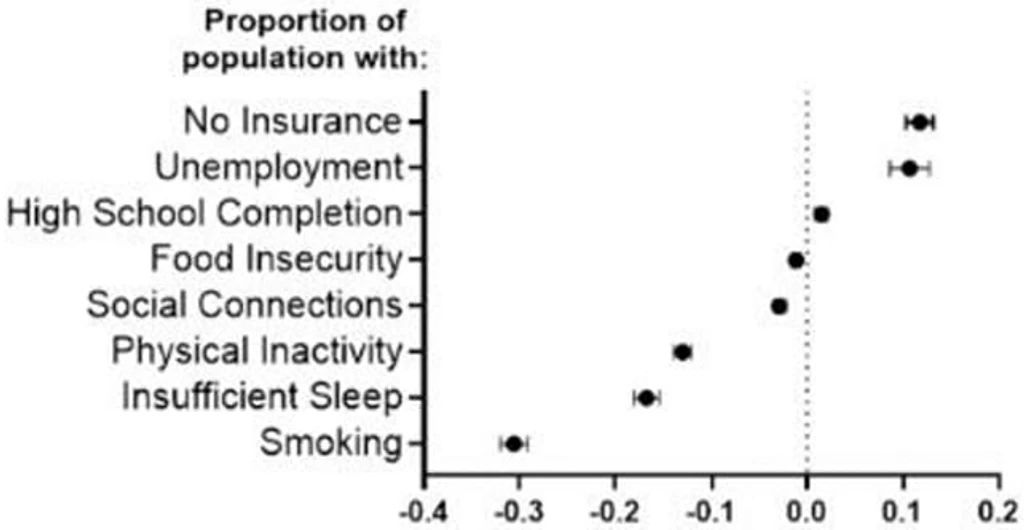
"We've always thought sleep is important, but this research really drives that point home," said OHSU sleep physiologist Andrew McHill. "People really should strive to get seven to nine hours of sleep if at all possible."
The observational study cannot prove causation but highlights sleep's critical role in overall health, linking poor sleep to obesity and diabetes, conditions that can reduce life expectancy.
The research is published in Sleep Advances.