Two researchers, Dr. Swee Lay Thein and Dr. Stuart H. Orkin, have been awarded the $3 million Breakthrough Prize in Life Sciences for their foundational work leading to the first approved gene therapy using CRISPR for sickle cell disease and beta-thalassemia.
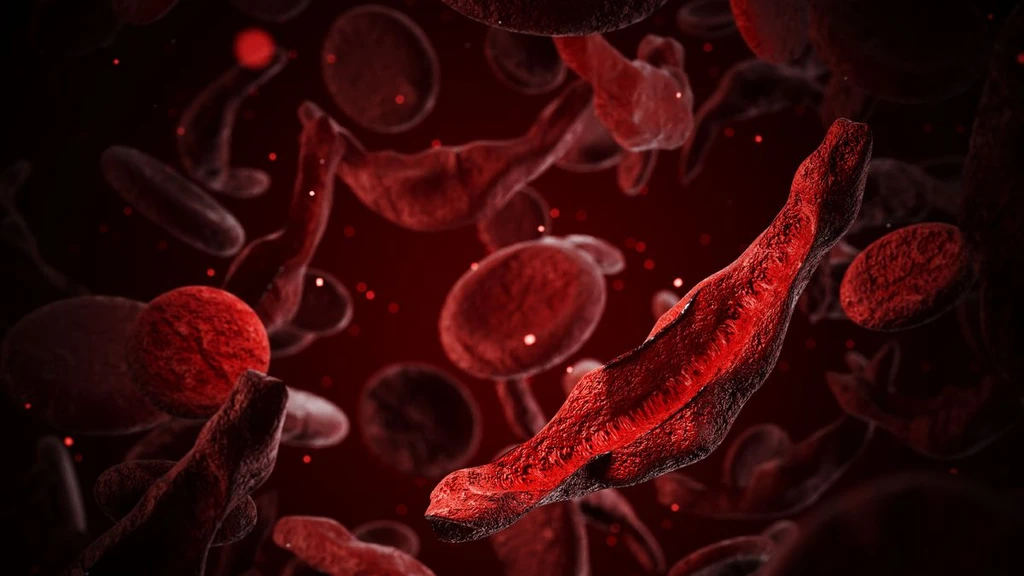
Their research identified how to reactivate fetal hemoglobin production, a key to treating these debilitating blood disorders. Sickle cell disease affects millions globally, causing severe pain and organ damage due to misshapen red blood cells.
Dr. Thein's work traced genetic variants that allowed for continued fetal hemoglobin production throughout life. Dr. Orkin's research pinpointed the gene responsible for repressing this production and demonstrated how gene editing could target it.
This insight led to the development of Casgevy, a therapy that uses CRISPR to edit a patient's bone marrow cells, enabling them to produce healthy fetal hemoglobin. While revolutionary, the treatment is complex, costly, and requires significant medical infrastructure.
Future research aims for less invasive 'in vivo' gene editing and more accessible treatments, like potential new drug therapies, to reach a wider patient population.