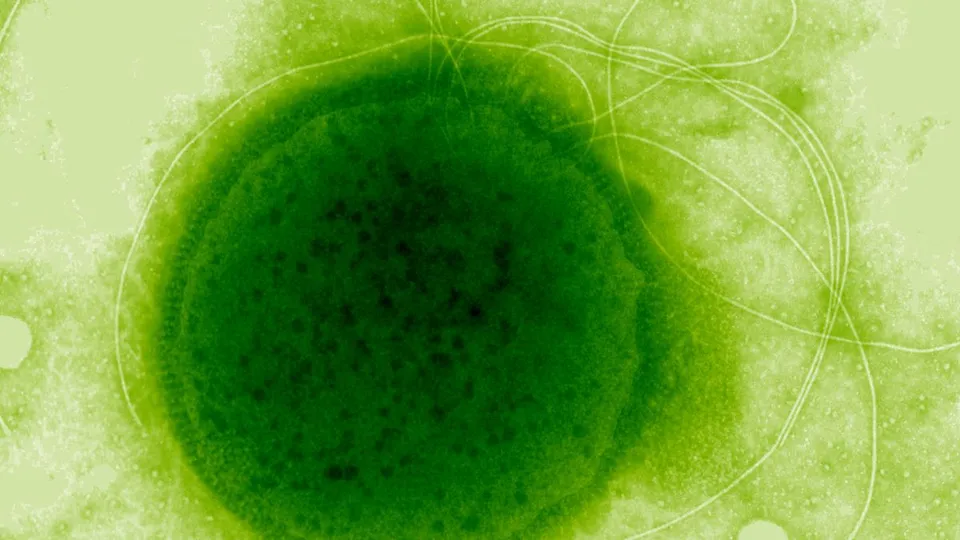
An organism discovered near deep-sea hydrothermal vents possesses an astonishing ability to withstand extreme radiation, far exceeding human tolerance. The archaeon, Thermococcus gammatolerans, can survive doses of 30,000 grays, approximately 6,000 times the lethal dose for humans.
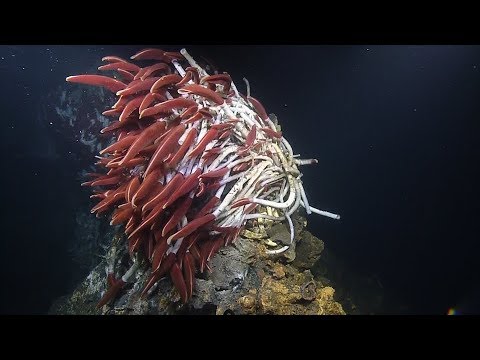
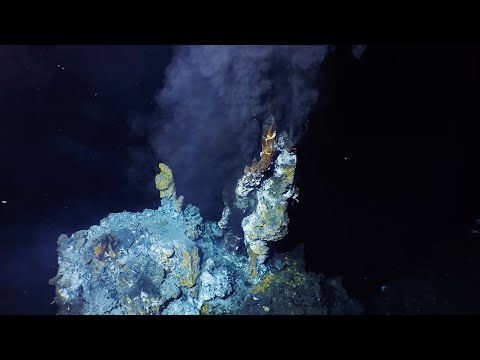
This microbe makes its home in the Guaymas Basin in the Gulf of California, a harsh environment characterized by crushing pressure, extreme heat, and mineral-rich fluids spewing from hydrothermal vents. Scientists initially expected to find specialized DNA repair mechanisms to explain this radiation resistance.
However, genomic studies revealed no unusual excess of DNA repair machinery. Further research indicated that while gamma rays do damage the archaeon's DNA, the resulting oxidative damage is significantly lower than anticipated and rapidly repaired within an hour. Scientists theorize that the organism's natural adaptations to its extreme habitat - constant exposure to high temperatures and reactive molecules - may inadvertently provide protection against ionizing radiation. This suggests that evolutionary pressures for survival in its challenging environment have yielded a remarkable, albeit unintended, resilience to radiation.