
Neuroscientists at the University of Oxford have identified a significant link between sleep and tinnitus, a condition affecting approximately 15 percent of the global population. Tinnitus, characterized by subjective ringing, hissing, or buzzing sounds, has long been a debilitating mystery with no known cure. Researchers are now exploring the parallels between tinnitus and sleep, noting that both appear to rely on spontaneous brain activity.
A 'phantom percept' is an experience where the brain generates sensory input without external stimuli. While many experience these briefly during sleep, tinnitus persists during waking hours for millions.

Recent studies, including research on ferrets with similar auditory systems to humans, indicate that disrupted sleep patterns can coincide with the development of more severe tinnitus. Experiments revealed that ferrets experiencing tinnitus also exhibited overly responsive brain activity to sound, which was dampened during non-REM (deep) sleep. This suggests that deep sleep may play a crucial role in suppressing the abnormal brain activity associated with tinnitus.
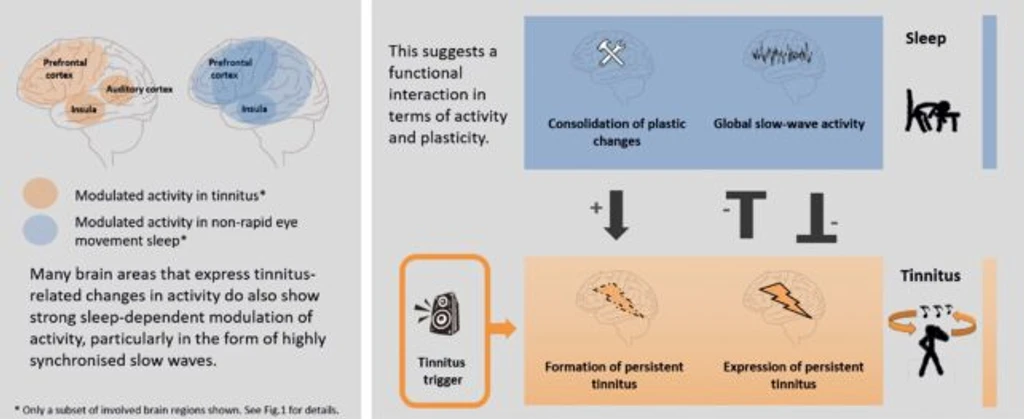
Scientists believe this research could unlock new therapeutic targets for tinnitus, potentially interrupting the dysfunctional cycle where tinnitus worsens sleep, and poor sleep exacerbates tinnitus. Further investigation into this complex relationship may also shed light on the fundamental mysteries of sleep itself.