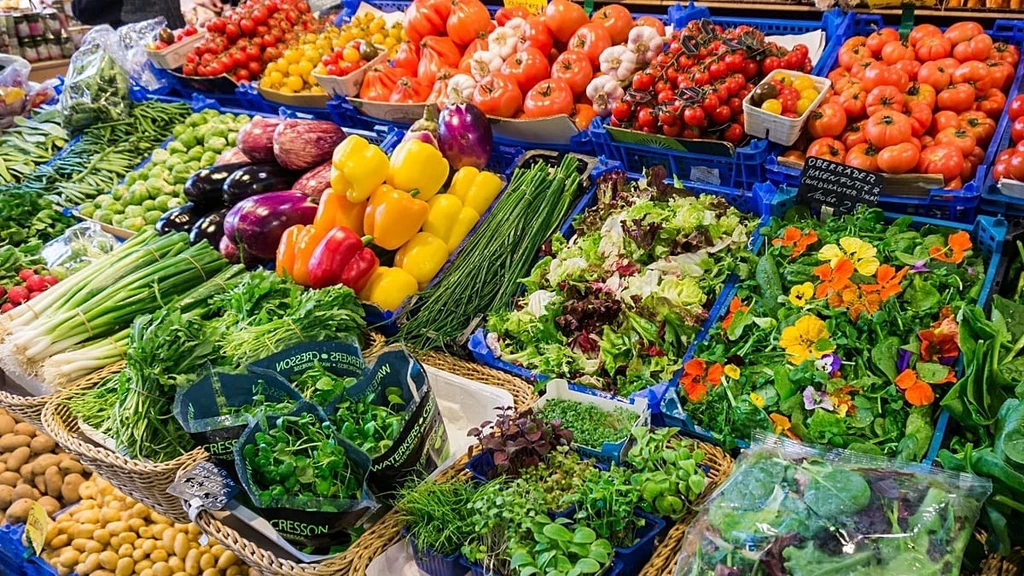
A comprehensive study analyzing data from 1.8 million individuals across three continents indicates that vegetarian diets are associated with a lower risk of several types of cancer. Researchers found that non-meat eaters had a reduced risk of breast, prostate, kidney, and pancreatic cancers compared to meat eaters.
Specifically, vegetarians showed a 31 percent lower risk of multiple myeloma, a 28 percent lower risk of kidney cancer, and a 21 percent lower risk of pancreatic cancer. Prostate cancer risk was 12 percent lower, and breast cancer risk was 9 percent lower. These findings suggest that diets rich in fruits, vegetables, and fiber, while excluding processed meats, may contribute to these health benefits.
However, the study also noted a concerning increase in the risk of esophageal cancer among vegetarians. The research team classified participants based on their dietary habits, including vegan, vegetarian, pescatarian, meat eaters, and poultry eaters, and tracked them for an average of 16 years.
While well-planned vegetarian and vegan diets are generally considered healthy and nutritionally adequate, they may be lower in certain nutrients like vitamin B12 but higher in others such as fiber and vitamin C. Pescatarian diets were also linked to lower risks of breast, kidney, and bowel cancers. Conversely, a higher prevalence of colorectal cancer was observed in vegans, though authors caution this may be based on limited data and requires further interpretation.
Experts emphasize that dietary patterns prioritizing fruits, vegetables, and fiber, and avoiding processed meat, are recommended for cancer risk reduction. The study contributes valuable insights into the benefits and potential risks associated with vegetarian eating patterns.