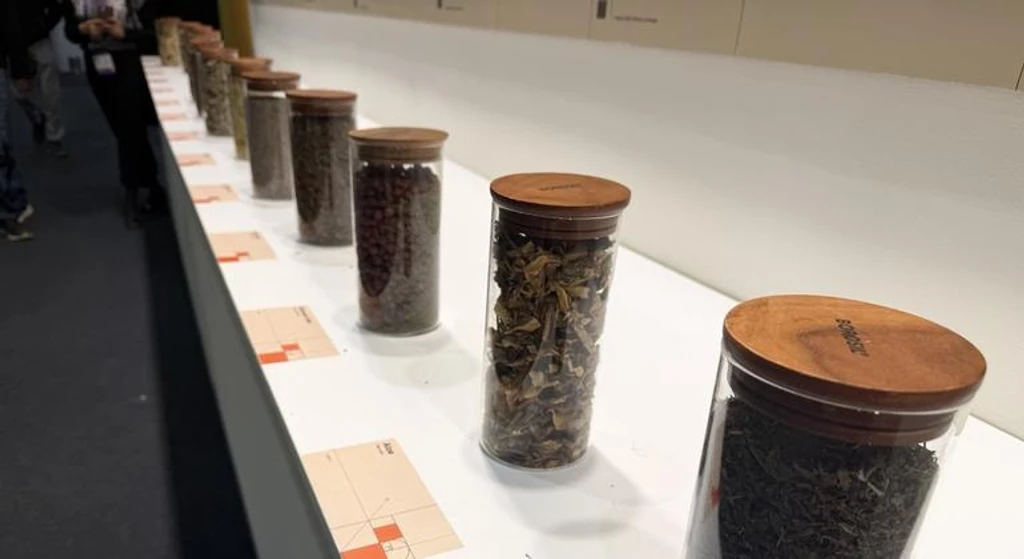
Medicinal plants are critical for both ecosystems and economies, with their importance extending beyond traditional remedies to modern pharmaceuticals, food, and cosmetics. Danna J. Leaman, co-chair of the IUCN's Medicinal Plant Specialist Group, emphasizes a growing recognition of their role, stating that human health, livelihoods, and the entire system of biological diversity depend on them.
While conservation efforts traditionally focused on animals, the perspective has broadened to include plants, with many industries and communities relying on plant-derived medicines. The Convention on International Trade in Endangered Species of Wild Fauna and Flora (CITES) now acknowledges the significant trade in plant species.
Around 30,000 plant species are recognized as medicinal or aromatic, but they face increasing threats from agricultural expansion, land-use change, unsustainable harvesting, and climate change. The critically endangered Himalayan herb nardostachys jatamansi (spikenard) exemplifies this vulnerability, highlighting the need for sustainable harvesting practices to balance conservation with economic needs.
As global demand for plant-based products surges, consumers and companies are urged to ensure products are sustainably and ethically sourced. Tools like WildCheck and certification schemes like the FairWild Standard help assess responsible sourcing and environmental impacts.