
A new study from the University of New South Wales reveals yawning has an unexpected effect on cerebrospinal fluid (CSF) flow in the brain. Using MRI scans of 22 participants, researchers found that unlike deep breaths, yawns send CSF away from the brain instead of toward it.
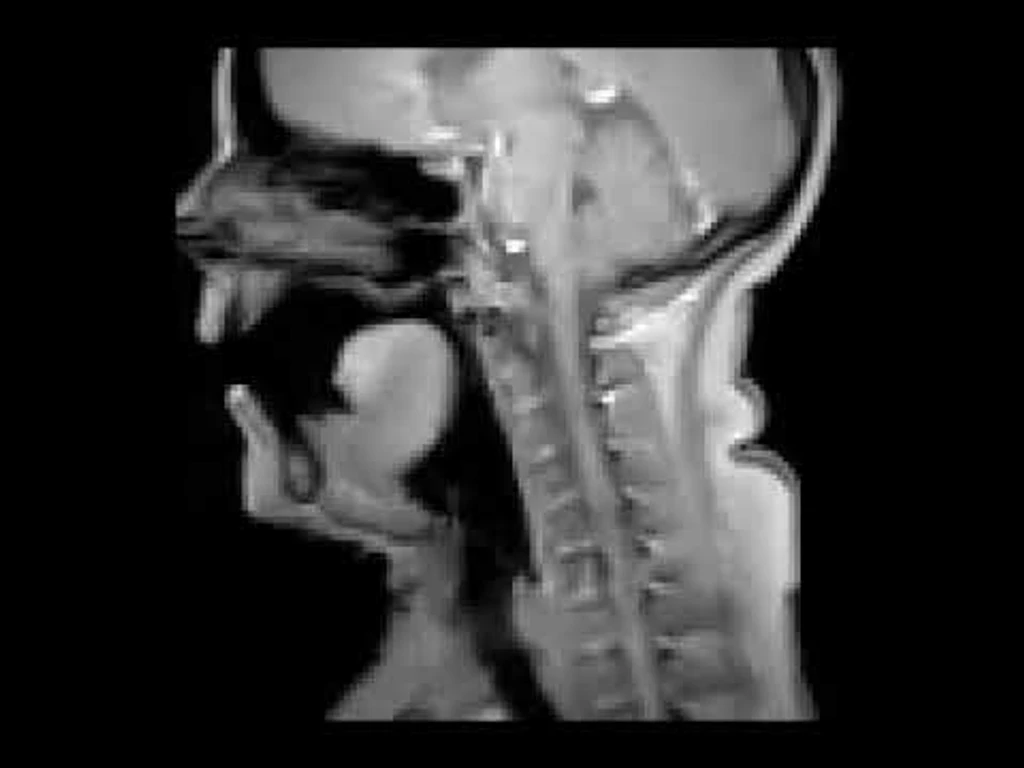
"The yawn triggered a movement of the CSF in the opposite direction than during a deep breath," said neuroscientist Adam Martinac. The team also observed that yawns increase blood flow leaving the brain by about a third, making room for fresh blood.
Interestingly, each participant had a unique yawning pattern that remained consistent across multiple yawns. Martinac described it as "almost like a fingerprint." The findings suggest yawning may play a role in waste removal from the brain, potentially linked to neurodegenerative diseases. The research is published in Respiratory Physiology & Neurobiology.