Amazon has achieved the critical mass required to ignite its space-based internet race against SpaceX. The company confirms its Project Kuiper service, branded Amazon Leo, will begin commercial operations later this year.
A United Launch Alliance Atlas V rocket deployed 29 satellites early Thursday, expanding the constellation to more than 390 units. Chris Weber, Amazon Leo Vice President, stated the total is sufficient to support continuous service across initial latitudes.
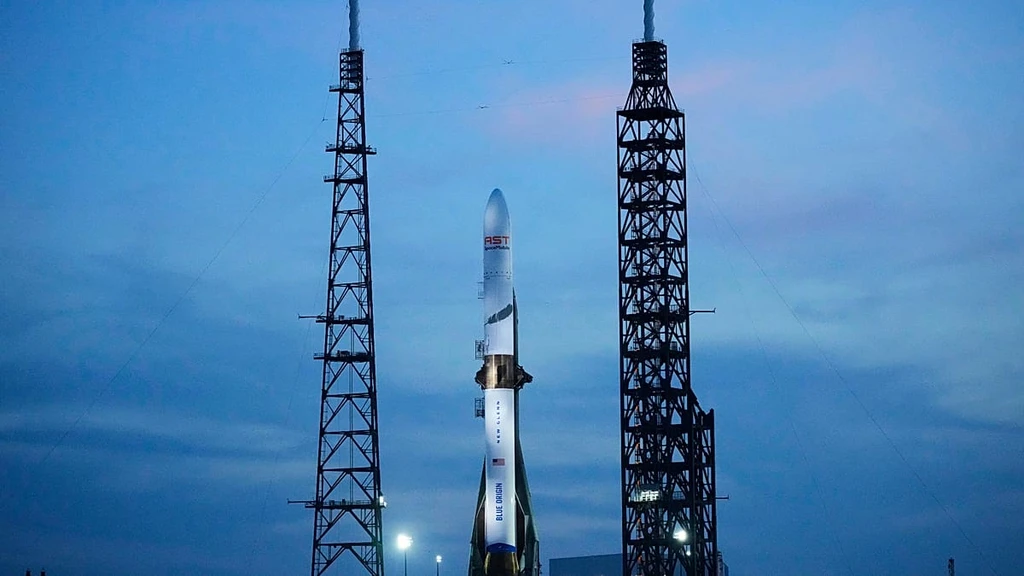
The milestone comes despite significant headwinds. The initiative, first announced in 2019, targets a massive 3,236-satellite constellation. Deployment was previously hampered by a serious ground-test explosion of a Blue Origin New Glenn rocket in May at Cape Canaveral, which destroyed the vehicle intended to carry 48 Amazon satellites.
Blue Origin CEO Dave Limp confirmed a redesigned configuration is in development to resume flights this year. Meanwhile, Amazon will lean on United Launch Alliance’s heavier Vulcan rocket for the next mission to accelerate the deployment cadence.
The project moves forward under the shadow of SpaceX. Starlink maintains dominance with over 10,400 active satellites, compared to Amazon’s current third-place ranking behind Starlink and OneWeb. Enterprise beta access opened in November, with full commercial service targeted for the third quarter.