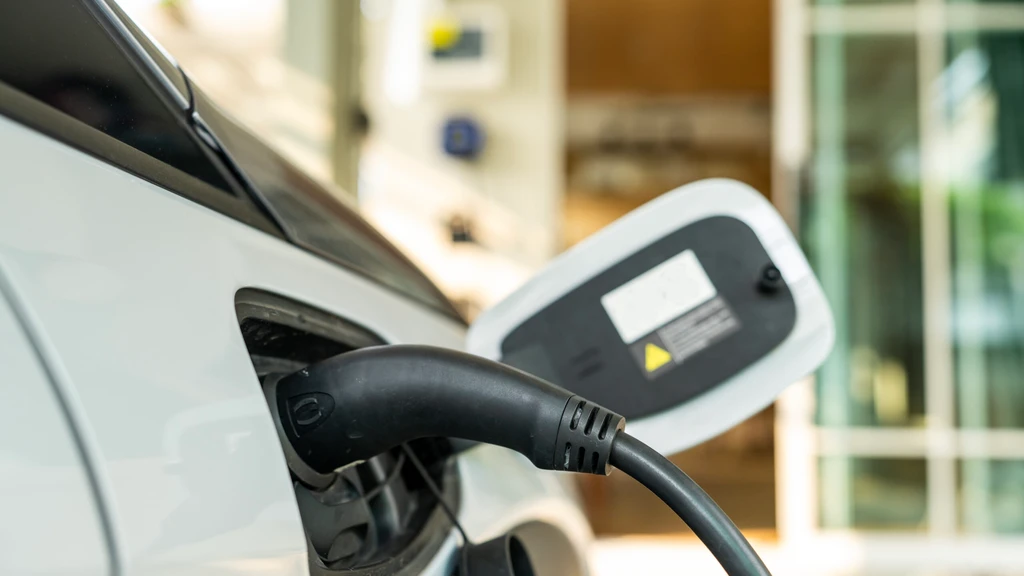
800V electric vehicle architectures are rapidly evolving, offering faster charging and reduced thermal stress. Currently adding $1,180 to production costs, the price is expected to drop to $420 by 2028.
Adoption remains concentrated in premium models-over half of vehicles above $60,000 may use 800V by 2030, with China projected at 35% penetration. The shift is driven by silicon-carbide power electronics, which reduce losses and improve efficiency.
While 400V systems remain dominant for mainstream EVs like the Tesla Model Y and Ford Mustang Mach-E due to cost and simplicity, 800V offers clear advantages for performance-focused vehicles such as the Porsche Taycan and Lucid Air. It enables higher power delivery with lighter cabling and lower heat generation.
The transition isn't revolutionary-just evolutionary. 800V enhances fast-charging capabilities without replacing the proven 400V foundation.