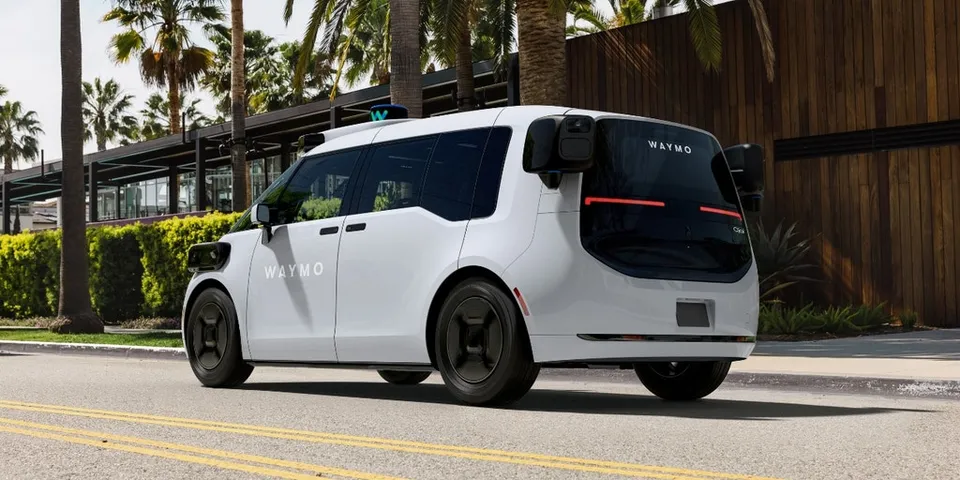
Waymo is poised to accelerate the rollout of its driverless robotaxi service with its newly unveiled sixth-generation Waymo Driver hardware. This updated system is designed to be cheaper and more versatile, allowing it to be integrated into a wider range of vehicles.
The new hardware will initially debut in Zeekr-built Ojai minivans, with plans to expand to other models like the Hyundai Ioniq 5. Waymo aims to deploy this technology across 20 additional cities this year, significantly increasing its operational footprint. The company is scaling up production of its driver kits to tens of thousands annually.
The system employs a combination of 16 high-resolution cameras, lidar, and radar for a comprehensive view of the road. Waymo states the updated cameras offer enhanced dynamic range for better performance in low light and bright glare conditions. Its imaging radar can accurately track objects even in adverse weather, such as rain or snow.
Waymo reports that its autonomous vehicles have accumulated nearly 200 million fully autonomous miles. However, the company has faced scrutiny following incidents, including a recent accident involving a child. Regulators are closely monitoring the performance of autonomous vehicles, particularly in states with strict reporting requirements.
This technological advancement could lead to more accessible and potentially more affordable rideshare options. As Waymo expands its fleet and service areas, consumers may soon have the option of hailing a driverless car, fundamentally altering urban transportation. The key challenge remains building public confidence in the safety and reliability of autonomous driving technology.