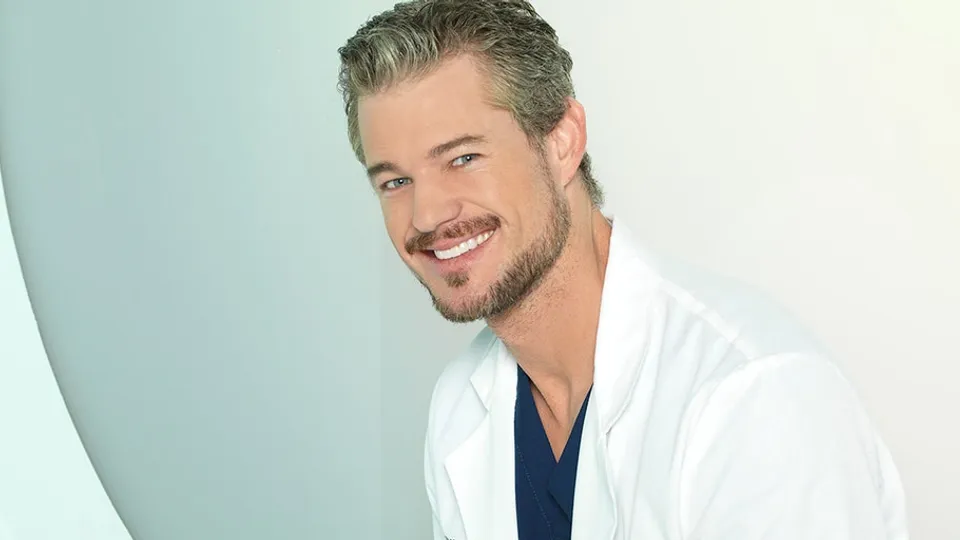
The recent passing of actor Eric Dane has intensified discussions surrounding the swift and severe nature of Amyotrophic Lateral Sclerosis (ALS), commonly referred to as Lou Gehrig's disease. This progressive and fatal illness gradually severs the brain's connection to muscles, leading to a debilitating loss of voluntary movement.
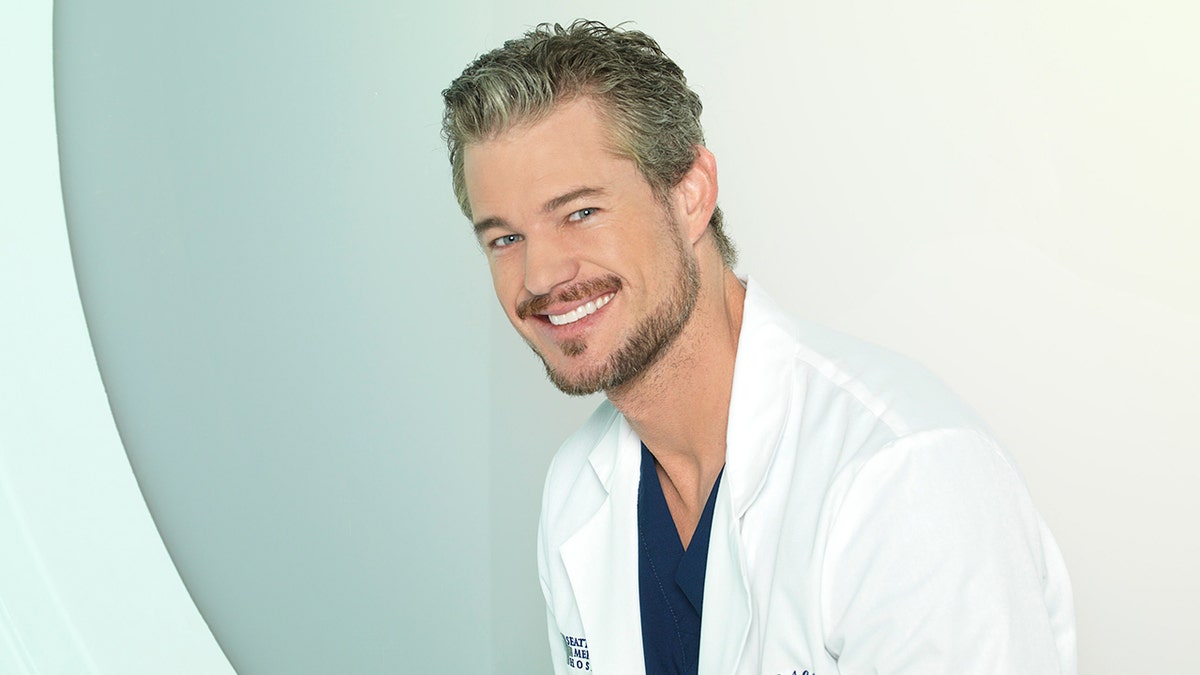
While an estimated 5,000 Americans are diagnosed annually, the ALS Association reports an average life expectancy of only two to five years post-diagnosis. Dane, renowned for his role as Dr. Mark "McSteamy" Sloan on "Grey's Anatomy," revealed his diagnosis in April 2025, noting initial symptoms of weakness in his right hand, which he initially attributed to excessive texting. The progression, however, proved undeniable.
ALS impacts motor neurons controlling voluntary actions, affecting the ability to walk, talk, eat, and breathe. Early indicators often include muscle weakness, stiffness, and cramping, though the disease's trajectory varies significantly among individuals. Importantly, ALS does not affect the five senses or cognitive functions, leaving patients mentally aware.

Diagnosis typically occurs between ages 40 and 70. Current medical understanding offers no cure or treatment to halt disease progression, though therapies exist to manage symptoms. Fox News senior medical analyst Dr. Marc Siegel suggests that environmental factors may contribute to the disease, noting that while 10% of cases have a genetic link, 90% do not.

Dr. Siegel highlighted Dane's advocacy for new research, emphasizing a growing trend towards personalized treatment approaches. The cost of developing effective drugs is estimated at $2 billion, with annual out-of-pocket care costs reaching $250,000. Public awareness and funding for ALS research have seen significant boosts, notably from the 2014 ALS Ice Bucket Challenge, which raised over $115 million.