Microplastics are infiltrating our bodies from unexpected everyday sources, a new report reveals. Dr. Heather Leslie, who first detected microplastics in human blood, describes the pervasive exposure as a "microplastic storm."
Hospital equipment, including devices for premature babies and silicone breast implants, along with children's toys and paint, are identified as potential risks. The particles can accumulate in organs, increasing the likelihood of inflammation, cellular damage, cancer, and cardiovascular issues.
In healthcare settings, operating rooms can register thousands of plastic particles per square meter during a single shift. Premature infants receiving intravenous fluids are particularly vulnerable, potentially ingesting numerous microplastic particles from infusion circuits.
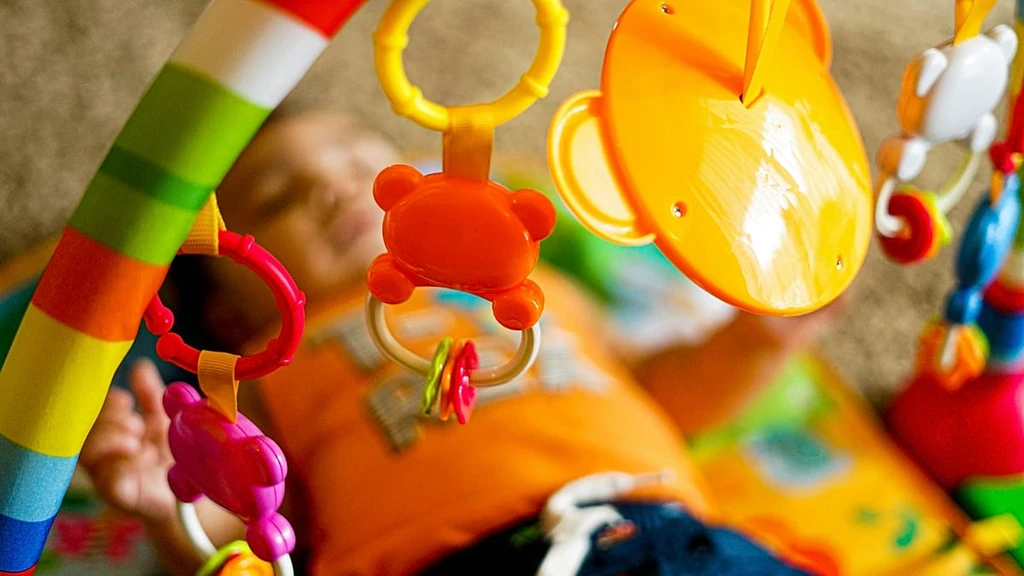
Children's products like building bricks and play mats release plastics into their environment. Due to higher dust ingestion and air intake relative to body weight, children face proportionally greater exposure. Baby formula packaging also contributes to microplastic intake.
Paint is another significant indoor source, with plastic being a core component. Wear and tear, or scraping old layers, releases vast quantities of polymeric particles.
Alarmingly, emerging climate interventions could exacerbate this issue. Stratospheric aerosol injection, a form of solar geoengineering, involves dispersing particles into the atmosphere, potentially creating a massive, intentional source of airborne microplastics.
The report urges a shift away from using plastic as a default design solution and calls for policymakers to adopt a precautionary principle, prioritizing mitigation of microplastic exposure.