James Wolfe spent 18 months searching for long-term care for his 68-year-old brother Brian, who has Down syndrome and non-verbal dementia. Without consistent family advocacy, Wolfe fears his brother would have remained stuck in hospital cycles-exactly the crisis now gripping British Columbia.
The B.C. government recently delayed construction of seven long-term care projects-in Squamish, Abbotsford, Campbell River, Chilliwack, Delta, Kelowna, and Fort St. John-totaling 1,223 beds. The move, announced in Finance Minister Brenda Bailey’s February budget, aims to reduce costs by deferring builds amid soaring construction prices.
But critics say the delays endanger vulnerable seniors. Waitlists for long-term care have tripled since 2016, reaching 7,212 people by 2025, with average wait times doubling to 290 days. The province faces a projected need for 16,000 new publicly subsidized beds over the next decade as its senior population grows by 26%.
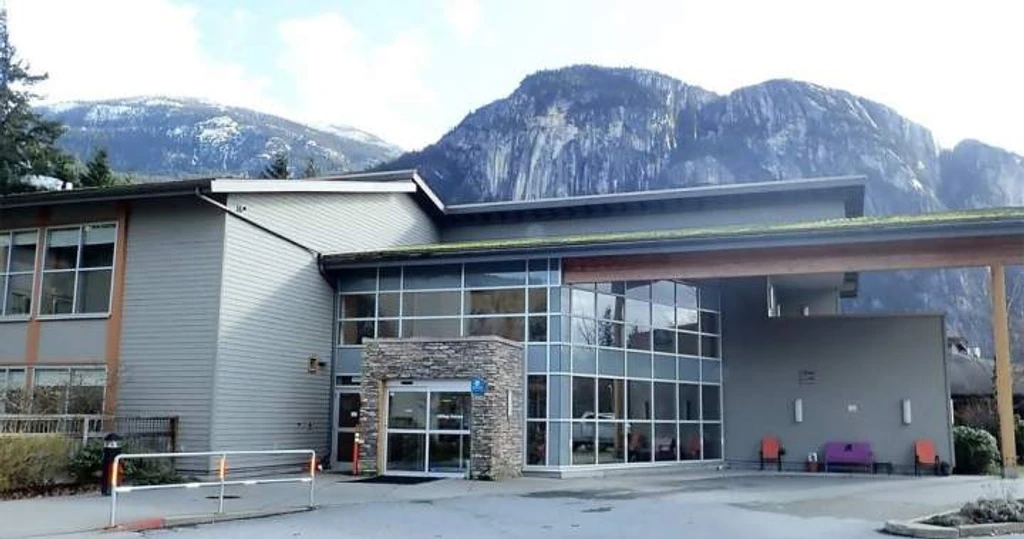
Marya Hackett, chair of the Sea to Sky Hospice Society, called the indefinite hold on Squamish’s 152-bed facility “deeply concerning.” Only four of the planned eight hospice beds would be new; the rest are transfers from an aging facility.
Bailey defended the pause, citing one proposed project costing $1.8 million per bed-“You could buy a condo in Victoria’s James Bay for that,” she said. She insists the delays aren’t cancellations and that standardized designs may lower future costs without sacrificing care quality.
Opposition leaders reject that logic. Conservative finance critic Peter Milobar labeled the move a “mean-spirited attack” on seniors. Rural health critic Brennan Day introduced legislation demanding annual public reporting on long-term care capacity, waitlists, and home-care plans.
B.C. Seniors Advocate Dan Levitt warned the delays will strain hospitals, primary care, and family caregivers-many of whom leave the workforce to fill gaps. For James Wolfe, the emotional and financial toll was immense-but his brother is finally stable, gaining 13 pounds in five weeks after placement in a group home.
“I had to take time off work,” Wolfe said. “It’s quite an emotional roller-coaster, and it doesn’t seem like anybody truly has any answers.”