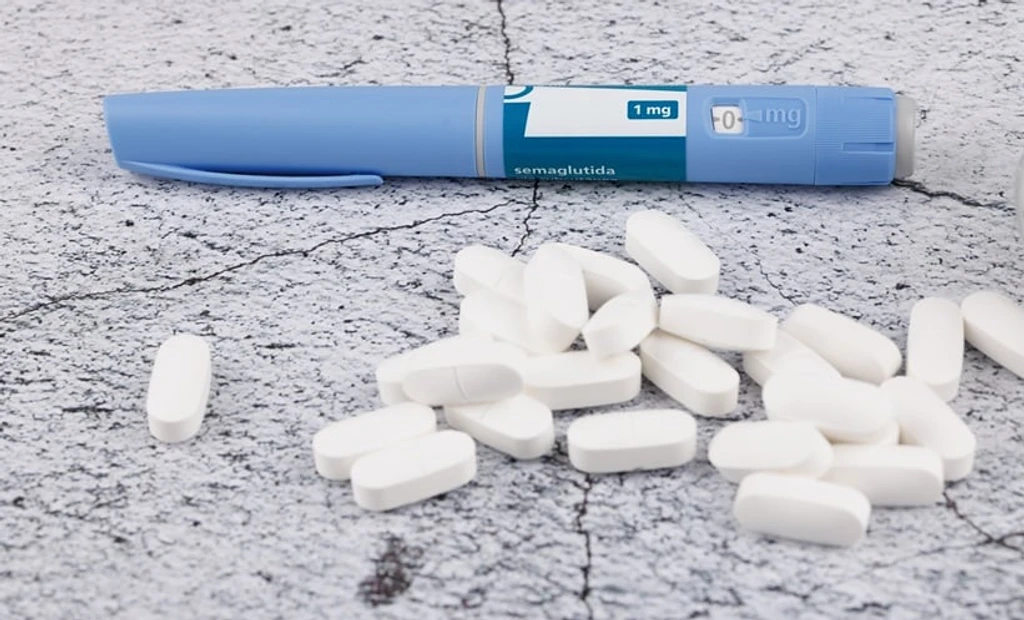
A groundbreaking study reveals semaglutide, the blockbuster GLP-1 drug, significantly increased motivation in patients with major depressive disorder. This is the first analysis to examine its effect on reward behaviors in this population.
The 16-week double-blind trial randomized 72 participants with depression and a BMI of at least 25 to either oral semaglutide or a placebo. Researchers from the University Health Network in Toronto found that those taking the drug showed a greater willingness to exert physical effort for rewards, driven by a reduction in effort discounting-the tendency to devalue rewards as required effort increases.
Crucially, semaglutide did not alter how patients reacted to odds or uncertainty, suggesting a specific effect on motivation pathways. While these findings hold promising implications for treating neuropsychiatric disorders characterized by reward dysfunction, researchers caution that larger studies across broader populations are needed.