A new study from Boston University reveals that the children of people who live to 100 tend to have slightly healthier diets than typical older adults, offering clues to their longevity.
Researchers analyzed food questionnaires from 457 older adults enrolled in the New England Centenarian Study, most of whom were adult children of centenarians. The participants' average age was in their mid-seventies.
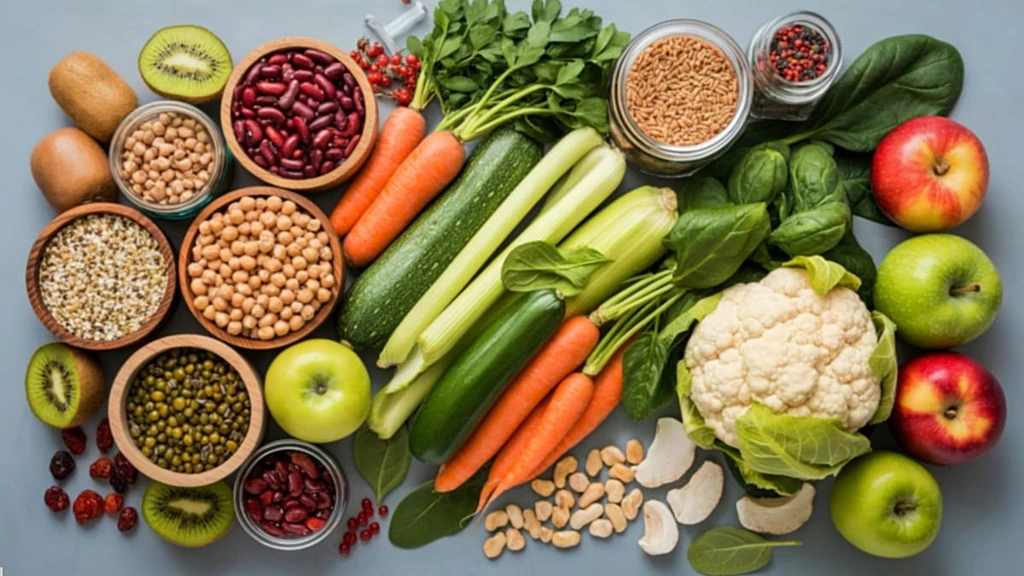
The study found these adults had moderate overall diet quality, scoring higher than comparable older adults on measures of general health, chronic disease prevention, brain health, and environmental sustainability. Their diets were strongest in fruits, vegetables, greens, beans, seafood, and less processed meats. They also did relatively well on limiting sodium, added sugar, and refined grains.
However, the study found these centenarian offspring did not meet recommended intake levels for whole grains, legumes, soy foods, and nuts-foods widely recommended by health authorities like the World Health Organization.
Researchers caution the results do not prove diet caused these families to live longer. The study was observational and based on diet reported at one point in time. The group was also highly educated and largely white, limiting how widely the findings can be applied. Education appeared to be one of the clearest influences on diet quality, with higher education levels linked to healthier scores.
The findings point to a need for better nutrition education for older adults and policies to improve the affordability and availability of foods like whole grains and legumes.