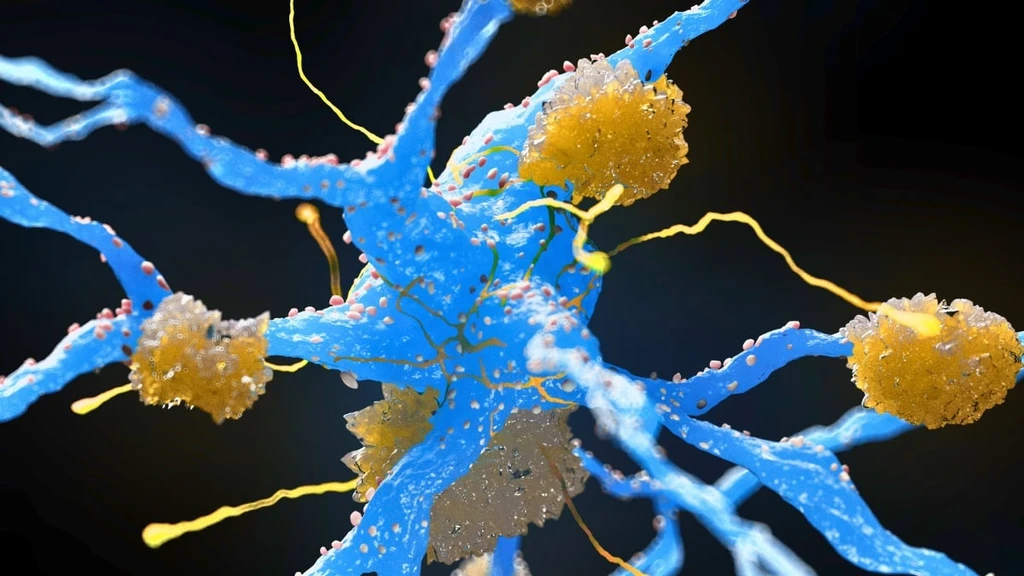
A new review indicates that GLP-1 drugs, commonly used for diabetes and weight loss, may help limit the molecular hallmarks of dementia. Researchers analyzed 30 preclinical studies, focusing on the impact of four GLP-1 drugs on amyloid-beta plaques and tau tangles, key indicators of Alzheimer's disease.
Of the studies examined, a significant majority showed a reduction in both amyloid-beta plaques and tau tangles. These protein accumulations are believed to damage and kill brain neurons in Alzheimer's patients. While human trials are limited and have yielded mixed results, the preclinical evidence suggests a potential connection.
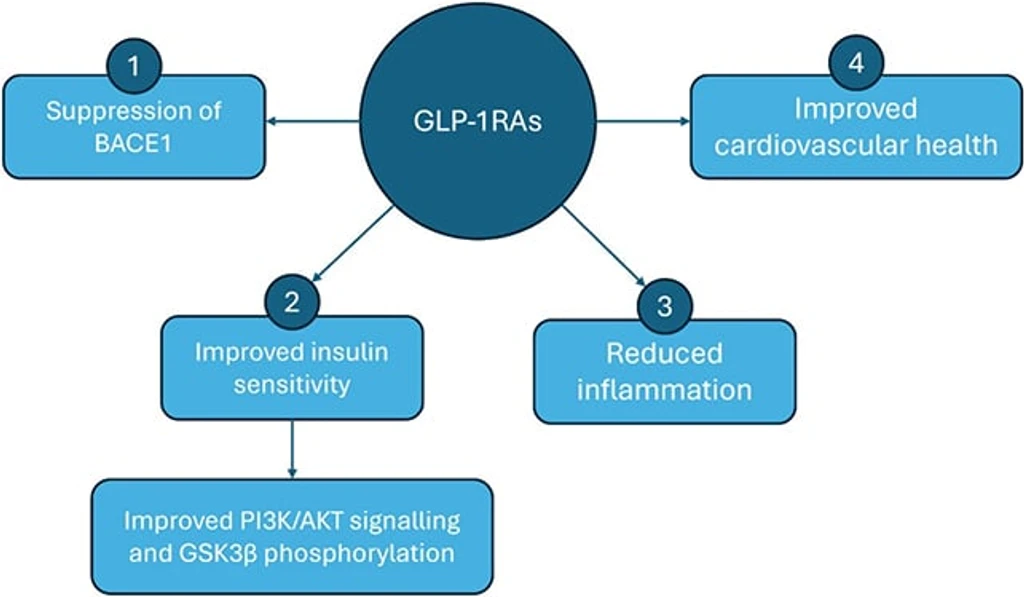
Physiologist Simon Cork stated that the review highlights biological pathways through which these drugs might influence Alzheimer's, including reducing inflammation, improving brain insulin signaling, and altering enzymes involved in amyloid-beta production. Liraglutide, an active ingredient in some GLP-1 medications, was particularly consistent in reducing both amyloid-beta and tau. Future large-scale clinical trials are needed to confirm these promising findings and their potential benefits for Alzheimer's prevention.