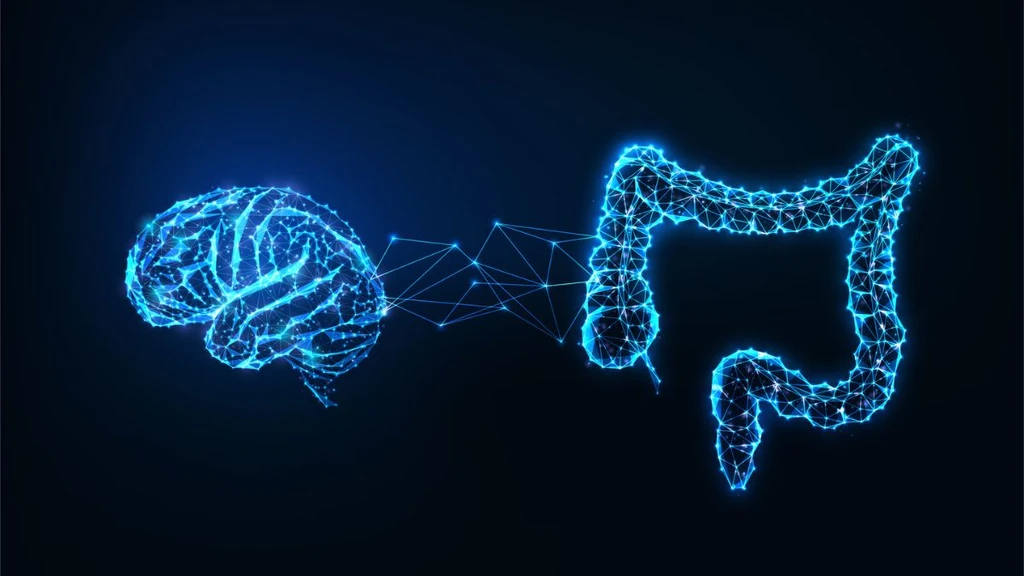
The gut-brain axis-the bidirectional communication network between the enteric nervous system and the central nervous system-is gaining traction as a strategic intervention point for age-related cognitive decline.
A 2026 review published in Nutrition Research analyzed 15 human studies involving 4,275 adults aged 45+ across Europe, Asia, North America, and the Middle East. Participants had dementia, mild cognitive impairment, or elevated risk factors.
Interventions included Mediterranean and ketogenic diets, omega-3 supplements, probiotics, prebiotics, and fecal microbiota transplantation (FMT). Control groups received placebos or standard care.
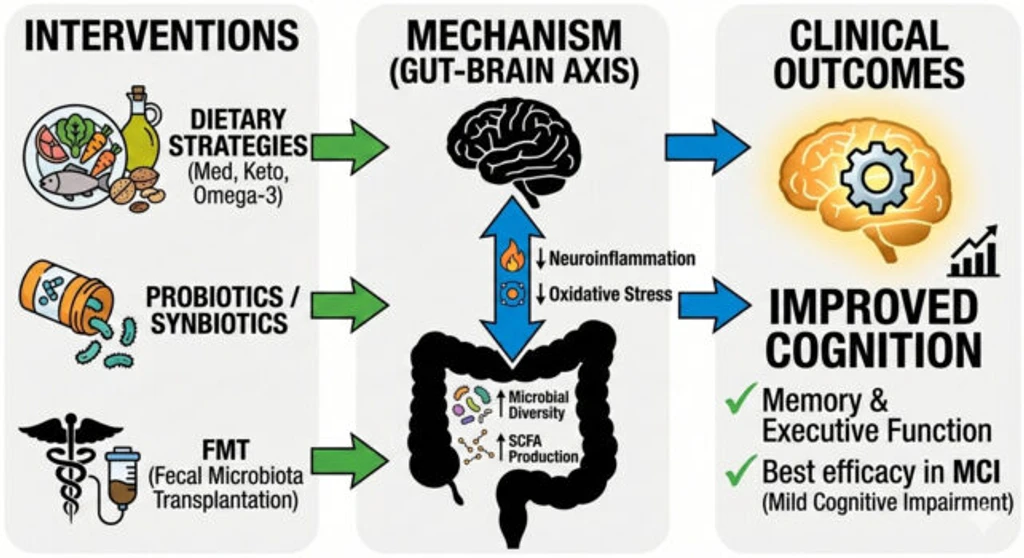
Results showed consistent increases in gut microbial diversity and measurable improvements in memory, executive function, and global cognition-especially among those with early or mild impairment. Effects were minimal in advanced Alzheimer’s disease.
FMT produced the most rapid and pronounced microbial shifts, though long-term safety remains unproven. Dietary approaches carried lower risk and demonstrated durable cognitive benefits, including improved cognition scores in Mediterranean diet trials with olive oil or mixed nuts.
The authors attribute benefits to anti-inflammatory short-chain fatty acids, strengthened intestinal barrier integrity, and modulation of immune and neurotransmitter pathways.